
A luxury bathroom renovation in the UK typically costs between £10,000 and £30,000, with the most ambitious projects, large master ensuites, full wet rooms, book-matched stone, going considerably higher. In the North West, including Merseyside, that same specification generally comes in 10–15% below the national average, because labour rates here are lower than London and the South East. Every figure below is a typical range. A firm quote follows a site visit.
What “Luxury” Actually Means at Each Price Point
The word gets used loosely, so it helps to pin down what you actually get at each tier.
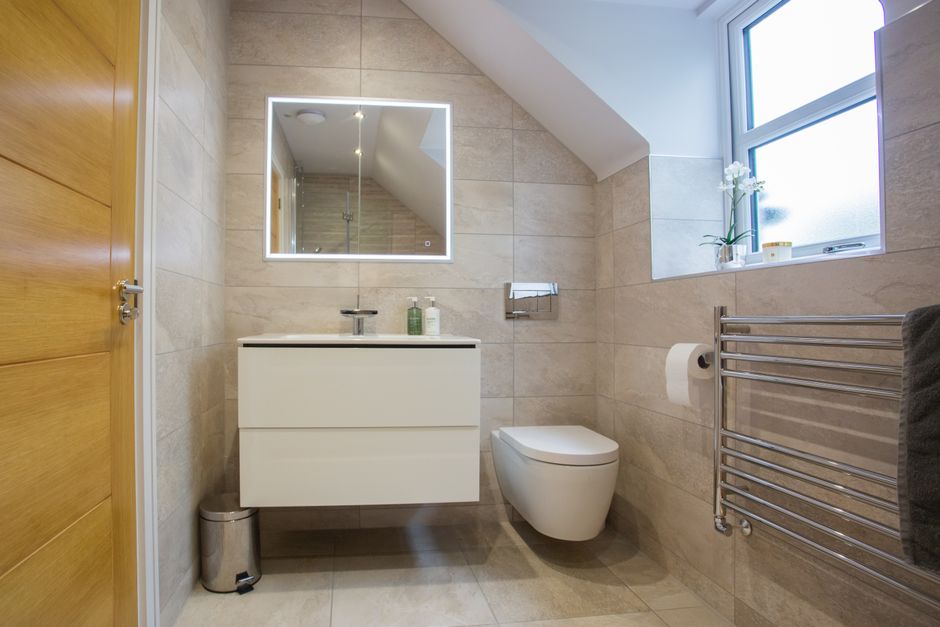
- £10,000–£15,000: The entry point for a genuine luxury refit. Expect a quality branded suite, large-format porcelain tiles (600×600mm or larger), a walk-in shower with a thermostatic valve, a heated towel rail, LED mirror, and proper substrate preparation throughout. Layout stays roughly where it is. This is a good-looking, well-built bathroom, not a builder’s basic.
- £15,000–£25,000: Wall-hung sanitaryware with concealed cistern frames, 600×1200mm or larger porcelain throughout, electric underfloor heating, a freestanding bath alongside a walk-in shower, bespoke vanity unit, feature lighting with dimmer control, and a properly tanked wet area. Some layout adjustment is possible here.
- £25,000–£40,000+: Natural stone or book-matched porcelain slabs, designer brassware in special finishes (brushed brass, PVD bronze), smart WC, steam shower or infrared capability, fully bespoke joinery, and a longer installation programme to coordinate multiple trades properly. Layout changes, including moving the soil pipe, are absorbed into a budget at this level.
A budget of £3,000–£5,000 gets you a solid mid-range refit with standard sanitaryware and ceramic tiles. That is not a luxury renovation, and it would be misleading to call it one. If that is your budget, it is still worth doing well, but manage expectations honestly from the start.
Typical Price Breakdown
These are illustrative ranges for a 5–6 m² family bathroom or ensuite at a luxury specification, excluding VAT. VAT at 20% is charged on labour and materials by VAT-registered contractors and must be added to all figures below.
- Labour (bathroom fitter, project coordination): £2,500–£5,000
- Plumbing (first and second fix, suitably registered plumber): £1,200–£2,500
- Sanitaryware (bath, shower, WC, basin, vanity unit): £2,000–£8,000+
- Tiling, supply and labour: £1,500–£5,000+ depending on format, material and coverage
- Waterproofing and substrate preparation: £400–£900
- Electrics (Part P-notifiable work by a registered electrician): £600–£1,500
- Underfloor heating (electric mat, supply and fit): £800–£2,500
- Plastering and making good: £300–£800
- Waste removal and skip: £200–£500
North West and Merseyside note: bathroom renovation costs in this region run around 0.85× the national average, driven mainly by lower labour day rates. A project priced at £18,000 in London may come in closer to £14,000–£15,000 locally. That regional saving is real and consistent.
The Things That Move the Number Most
Experienced tradespeople will tell you the same five things push luxury bathroom costs up faster than anything else.
Layout changes and soil pipe movement. Keeping all fixtures in their existing positions saves money. Moving a toilet is expensive because the soil pipe, typically 110mm diameter, runs at a specific fall to the stack, and altering that route involves opening floors, boxing in new runs, and potentially notifying Building Control under Part H of the Building Regulations. Moving a toilet in an upstairs bathroom can add £800–£2,000 to a project on its own.
Tile format and material. Bathroom tiling is where budgets shift dramatically. Standard ceramic tiles cost from around £8 per m² for materials; large-format porcelain (600×600mm upward) runs £40–£70 per m² in labour alone, and premium porcelain or natural stone supplied and fitted can reach £100–£200+ per m². Large-format slabs also demand a flatter, stiffer substrate and specialist cutting, which adds time and cost. Tiles typically account for 15–25% of a luxury bathroom budget.
Underfloor heating. An electric mat under a 5–6 m² floor adds roughly £800–£2,500 supply and installed, depending on system and room size. Porcelain and natural stone are the correct choice over a mat because they conduct heat efficiently and distribute it evenly. It is one of the most popular features in any luxury refit and rarely causes regret.
What is behind the old tiles. Old plasterboard in a wet zone, rotted floorboards, or timber joists that have been over-notched by previous trades all cost money to put right. Tile backer board should be used in wet areas rather than standard plasterboard, and a suspended timber floor needs at minimum 15mm ply overboarded and screwed at 300mm centres before any tile adhesive goes down. You cannot see this before the strip-out, which is why every quote at this stage is an estimate.
Wet room versus shower enclosure. A full wet room requires a continuous waterproof membrane across the entire floor, taken up the walls to at least 1.8m in the shower zone, with taped joints and corners, and a correctly formed floor gradient running to the gully before a single tile is laid. Done correctly it is invisible; done poorly it is a water damage claim waiting to happen. A wet room conversion typically adds £1,000–£2,500 to a standard shower enclosure project. You can see examples of completed wet rooms on the Kew Construction Instagram.
Regulations That Apply to a Luxury Refit
A full bathroom renovation touches several parts of the Building Regulations, and it is worth understanding which ones apply before work starts.
Part P (electrics): New circuits, additions to existing circuits, and all electrical work in bathroom zones must be carried out or certified by a registered electrician. Lighting, underfloor heating thermostats, extractor fans and electric showers are all notifiable. The Electrical Safety First guidance explains what triggers notification.
Part F (ventilation): Any bathroom requires mechanical extract ventilation capable of a minimum continuous rate, with a boost rate during use. This is not optional and is checked on building work that requires Building Control involvement.
Part G (hot water safety): Thermostatic mixing valves are required where hot water is supplied to baths, to limit water temperature at the outlet. This is a supply and installation issue your plumber should handle as standard. The Water Regulations Advisory Scheme publishes the relevant guidance at wras.co.uk.
Notifiable electrical work must be either carried out by a registered electrician who self-certifies, or notified to Building Control. Gas work on any aspect of the project must be done by a Gas Safe registered engineer. Neither of these is optional.
A Word on Programme Length
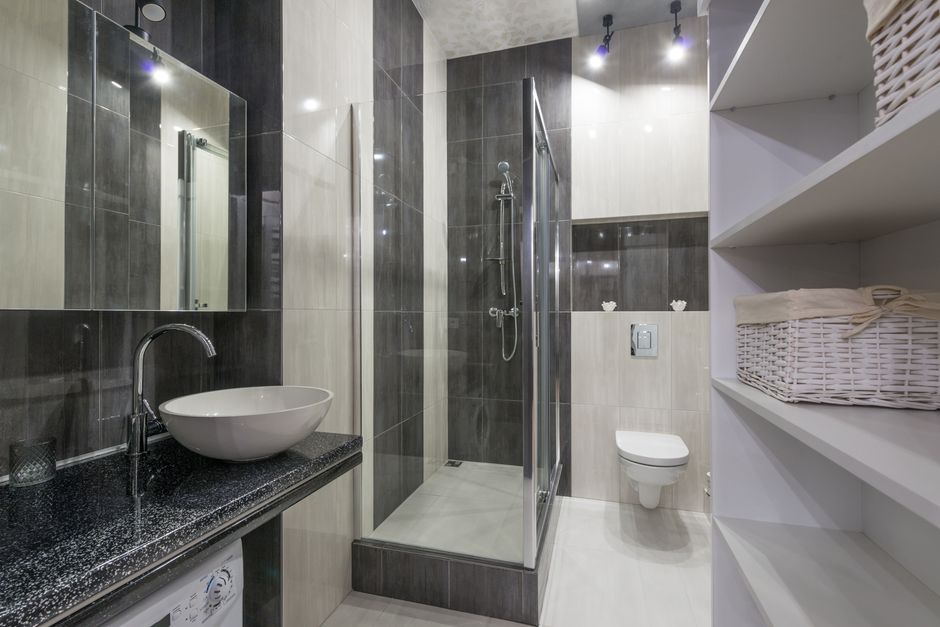
A mid-range bathroom takes 7–10 working days from strip-out to final seal. A luxury refit with multiple trades, large-format tiles, bespoke joinery, and underfloor heating realistically takes 12–20 working days. Tiling alone on a fully-tiled bathroom takes 2–3 days, plus a drying day before grouting, and adhesive curing times cannot be shortened without risking tile failure later. A tradesperson promising a full luxury bathroom in five days is either doing something wrong or leaving something out. Visit the Kew Construction bathroom renovation pages for more on how a full project is phased.
Conclusion
A properly specified luxury bathroom renovation costs between £10,000 and £30,000 in most of the UK, with North West homeowners generally paying towards the lower end of that range. The price reflects skilled labour across multiple trades, quality sanitaryware and tiles, correct waterproofing and substrate work, and a programme long enough for materials to cure properly. Anyone quoting significantly below £10,000 for a luxury finish is either using a very loose definition of the word, or the details are in the small print.
All figures on this page are typical ranges based on current market data. They vary by room size, specification, and what is found once the old tiles come off. A firm quote follows a site visit.
Kew Construction handles complete bathroom renovations and luxury refits across Liverpool and Merseyside, call 07453273876 or email Info@kewconstruction.com if you have a full project in mind.
Frequently Asked Questions
How much does a luxury bathroom renovation cost in the UK?
A luxury bathroom renovation in the UK typically costs between £10,000 and £30,000 for a 5–6 m² space, depending on the specification. The entry point of around £10,000–£15,000 covers branded sanitaryware, large-format porcelain tiles, and a walk-in shower. Projects with natural stone, bespoke joinery, and full wet room tanking push toward £25,000–£40,000 or beyond.
How much cheaper is a luxury bathroom renovation in the North West compared to London?
Bathroom renovation costs in the North West run approximately 10–15% below the national average, driven primarily by lower labour day rates. A project priced at £18,000 in London might typically come in at £14,000–£15,000 in Merseyside or the wider North West. The same materials, same trades, meaningfully less spend on labour.
Does the quoted price include VAT?
VAT at 20% is charged on both labour and materials by VAT-registered contractors and must be added to all trade quotes. Always confirm whether a quote is inclusive or exclusive of VAT before comparing figures. The ranges in this guide are exclusive of VAT, which is standard practice in trade cost guides.
What is the single biggest cost driver in a luxury bathroom?
Labour is the largest single cost, typically accounting for 40–60% of the total renovation budget. Tile format, moving the soil pipe, underfloor heating, and the condition of the substrate behind the old tiles are the factors most likely to push the number up once work begins.
Does moving the toilet add significantly to the cost?
Moving a toilet adds materially to the cost, typically £800–£2,000 for an upstairs bathroom, because the soil pipe must run at a specific fall to the stack, which can mean opening floors and potentially notifying Building Control under Part H of the Building Regulations. Keeping the toilet in its existing position is the single easiest way to hold a budget.
Do I need Building Regulations approval for a luxury bathroom renovation?
Most bathroom renovations do not require a formal Building Regulations application, but specific elements within them do. All notifiable electrical work, new circuits, electric underfloor heating, electric showers, must be carried out or certified by a registered electrician. Any structural changes, alterations to the soil stack, or creation of a new bathroom room trigger further Building Control requirements.
How long does a luxury bathroom renovation take?
A luxury bathroom renovation realistically takes 12–20 working days from strip-out to final seal. Large-format tiling, bespoke joinery, underfloor heating, and proper curing time for adhesive and tanking membranes all extend the programme compared with a standard refit. A credible contractor will build this time into the programme, not promise to skip it.
Which areas does Kew Construction cover?
Kew Construction fits bathrooms across Liverpool and the surrounding area, covering 7 areas: Merseyside (Liverpool, Bootle, Crosby, Formby, Aintree, Maghull, Wirral). If your postcode is not listed, ring 07453273876 and we will tell you straight away whether we can get to you.