
A concealed cistern hides the tank inside a wall frame or furniture unit, leaving only a flush plate on show. An exposed cistern sits on the back of the pan or on the wall behind it, fully visible. The choice affects your budget, your installation time, your available floor space, and how straightforward any future maintenance will be. Neither is universally right.
The Three Toilet Configurations You Are Actually Choosing Between
Most people frame this as a straight two-way choice, but there are really three setups worth understanding before you decide.
Close-coupled with exposed cistern. The cistern sits directly on the back of the pan. This is the most common toilet type in UK homes. The cistern sits directly on the pan, which usually makes this the cheapest and simplest option to replace. Everything is accessible from the front of the room, spare parts are universally available, and no stud wall or frame is involved.
Back-to-wall with concealed cistern. The pan sits on the floor and backs flat against the wall. Back-to-wall toilets pair with concealed cistern systems. The pan rests on the floor and sits flush against the wall; the concealed cistern hides the tank while the pan remains floor-supported. The cistern lives inside a furniture unit or a built stud box, with only a flush plate on the wall.
Wall-hung with concealed cistern. Wall-hung models require a load-bearing frame fixed securely to wall and floor. The frame supports the full user weight. The pan floats above the floor. This is the most involved installation and the most expensive, but it frees up the most floor space.
Cost: What the Numbers Look Like in 2025–26
All figures below are typical UK ranges, inclusive of VAT at 20%, and cover supply and installation as part of a wider bathroom project. They are not quotations. A firm price follows a site visit.
- Close-coupled toilet, like-for-like replacement: approximately £150–£900 supplied and fitted, with most people paying around £350 for a straightforward close-coupled replacement.
- Back-to-wall toilet with concealed cistern (unit, frame and fitting): a concealed cistern unit typically costs £50–£350 for the cistern itself, with supply and installation ranging from £300–£800, depending on frame strength, flush performance, wall preparation and labour requirements.
- Wall-hung toilet with concealed cistern and steel support frame: wall-hung toilets typically cost £400–£800 due to concealed cistern requirements and wall-strengthening needs, though at the higher end of the specification this can go further once boarding, tiling and finishing are included.
- Frame and boxing labour only (on top of the pan and cistern): a frame to house a concealed cistern typically costs around £150–£300 to build, with tiling to finish the box an additional cost on top.
Regional note. Plumber rates vary across the UK. Those based in London can expect to pay around £50–£200 more for labour than those in the North or other parts of the country. In Merseyside you will generally sit at the lower end of national published ranges, though material costs are broadly similar nationwide.
VAT at 20% applies to all labour and materials from a VAT-registered contractor. Every price stated here is a range, not a quotation.
What You Gain and Lose With a Concealed Cistern
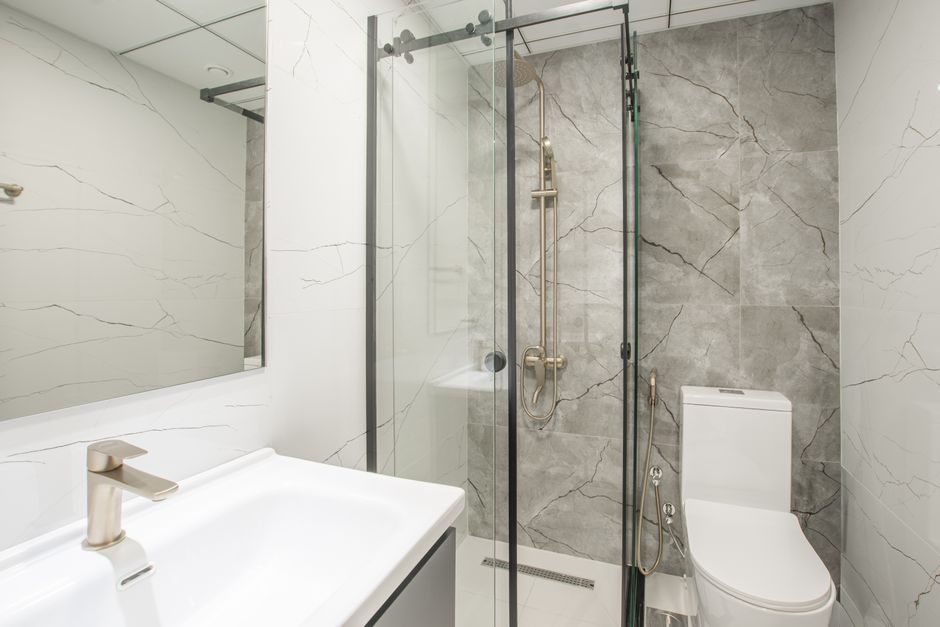
One of the primary advantages of a concealed cistern is its ability to save space, a crucial consideration in modern bathroom design. By hiding the cistern behind a wall or within a vanity, you maximise the use of available floor space. This is particularly beneficial in smaller bathrooms where every centimetre counts.
Concealed cisterns also simplify cleaning and maintenance by minimising exposed surfaces. Since the cistern is hidden behind a wall or panel, there are fewer areas that accumulate dust, grime and water stains.
The trade-off is installation complexity. Reinforced stud walls or furniture units must be constructed prior to installation, increasing labour compared to exposed systems. Frames, panels and concealed pipework elevate initial expenditure during a refurbishment.
Access for future servicing is the other honest drawback. Regarding maintenance, it is vital to consider access when installing a concealed cistern. If something goes wrong, will you be able to reach it quickly and efficiently? Can you get to the flush pipe and isolate the water easily? By using an easily removable panel you can ensure access is never a problem for either emergencies or general upkeep. A good installer will plan a dedicated access panel at the outset. If that does not happen, a future repair could mean removing tiles, which is where costs escalate significantly.
What You Gain and Lose With an Exposed Cistern
An exposed toilet cistern is mounted in front of the wall, whereas a concealed cistern is built behind the wall and hidden from view. The practical advantage is complete accessibility: the fill valve, flush valve and all internal fittings can be reached by lifting the lid. There is no frame to build, no panel to cut, and no additional stud work required before the plumber can connect the pan.
Another advantage of exposed cisterns is their easy accessibility, which makes maintenance quick and hassle-free. For a landlord, a busy family bathroom, or anyone who prefers to avoid complexity, that accessibility has real value over a 15- or 20-year ownership period.
The honest limitation is aesthetic. An exposed cistern will always show, and in smaller rooms the bulk of the ceramic tank can make the space feel more crowded. If the goal is a clean, minimal wall finish, the exposed cistern works against it.
The Structural Reality: What the Installation Actually Involves
For a back-to-wall or wall-hung concealed cistern, the substrate behind the flush plate matters more than most guides acknowledge. Frame size and casing depth must match the available wall cavity or furniture unit. Slimline formats fit 90–120mm cavities, mid-depth structures suit standard stud walls, and full-height frames support tall installations where greater rigidity is required. Wall-hung pans require reinforced steel frames, while back-to-wall pans pair with furniture units or boxed-in structures.
The steel carrier frame for a wall-hung pan is load-bearing and must be fixed correctly to the floor as well as the wall. The fixings pass through the frame into solid structure, not just plasterboard. Where a partition wall is involved, the stud spacing and noggins need to be designed around the frame before any boarding begins. This is not a retrofit detail, it has to be planned at first-fix stage.
Most concealed cisterns are dual flush with 6/3 litre or 6/4 litre options, allowing a small flush for liquid waste and a full 6-litre flush for solids. A 6/3 system gives the greatest saving on everyday use because the half flush is just 3 litres; the 6/4 provides a slightly larger half flush that may be useful if the pan needs a stronger short flush. Water Regulations require dual-flush cisterns to meet maximum flush volumes; your installer should be familiar with WRAS requirements and current Approved Document G guidance on water fittings.
Which One Should You Choose?
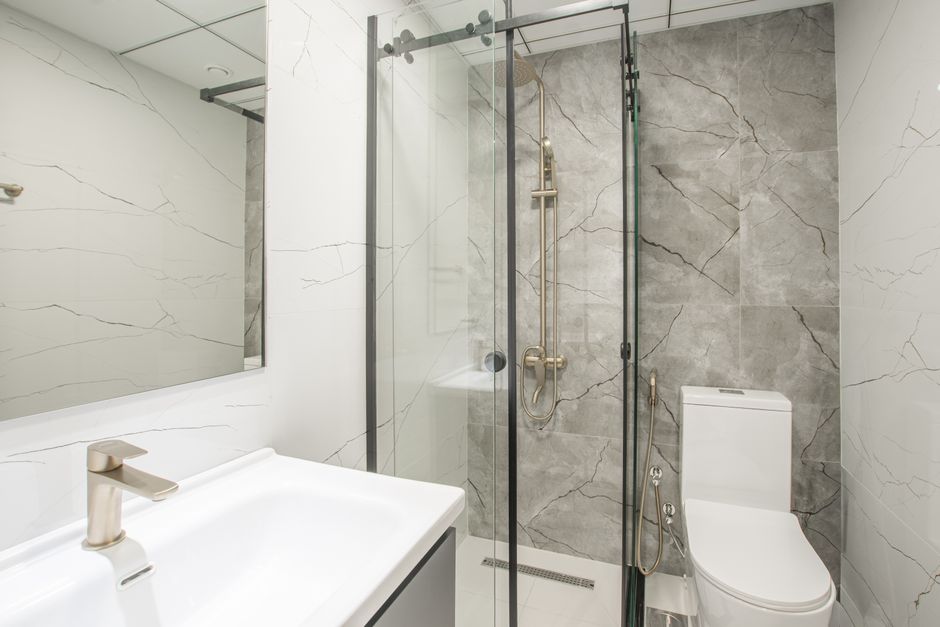
The concealed cistern is the right choice when you are doing a full refit, want a wall-hung or back-to-wall pan, are working with a small or awkward room, or simply want a cleaner finish. The additional cost and build complexity are absorbed naturally into a full bathroom project. Done properly, with a planned access panel, maintenance is not the problem people fear.
The exposed close-coupled cistern is the right choice when budget is the primary driver, when the room is large enough that the aesthetic is not an issue, when the toilet is in a secondary cloakroom or rental property, or when you are not planning a full refit and a like-for-like replacement makes more practical sense.
If you are already ripping the room out, choosing the exposed option purely to save money rarely makes sense, the labour difference is modest once you are already at first-fix stage, and you will not get the chance to change your mind without opening the wall again.
A Word on Planning
Cistern choice does not generally require Building Regulations approval on its own. However, if the toilet is being repositioned, particularly if the soil pipe connection is changing, Part H of the Building Regulations governs waste pipe falls and soil connections, and Building Control notification may be required. Any notifiable electrical work in the bathroom, such as a new lighting circuit to the recess, falls under Part P and must be carried out by a suitably registered electrician. See NICEIC for finding a registered contractor.
Kew Construction handles complete bathroom and ensuite projects across Liverpool and Merseyside, including full toilet and suite installations, for anyone planning a refit rather than a single swap. You can also see finished projects on the Kew Construction Instagram if you want a sense of the work before making any decisions. Ring Francis on 07453273876 or email Info@kewconstruction.com for a site visit and honest quote.
Frequently Asked Questions
What is the difference between a concealed and exposed cistern?
A concealed cistern is hidden inside a wall frame or furniture unit, with only a flush plate visible on the wall. An exposed cistern sits on the pan or on the wall behind the toilet, fully in view. The concealed option costs more to install but gives a cleaner finish and saves floor space.
How much does a concealed cistern cost to install in the UK?
A concealed cistern installation typically costs £300–£800 for supply and fitting in the UK, depending on frame type, wall preparation and labour. The cistern unit itself costs £50–£350. A wall-hung toilet with a steel support frame and concealed cistern adds further cost, often reaching £400–£800 or more for the full installation. These are typical ranges, not quotations, a firm price follows a site visit.
Is a concealed cistern harder to maintain than an exposed one?
A concealed cistern is not harder to maintain if a proper access panel is built in from the start, which any competent installer should do as standard. The access panel allows the fill valve, flush valve and isolating stopcock to be reached without removing tiles. Where no access panel exists, future repairs become costly, which is why it must be planned at installation stage, not added as an afterthought.
Can I replace a close-coupled toilet with a wall-hung concealed cistern toilet without a full refit?
You can, but it is rarely straightforward. A wall-hung toilet needs a load-bearing steel carrier frame fixed to the floor and wall structure, the soil pipe connection will almost certainly need to move, and the wall will need to be boarded and finished before tiling. In practice, this amount of structural work usually makes more sense as part of a planned full bathroom refit rather than an isolated swap.
Do concealed cisterns save water compared to exposed ones?
Modern concealed cisterns are generally dual flush, offering a 3-litre half flush and a 6-litre full flush, which uses significantly less water than older single-flush 9-litre exposed cisterns. Most exposed close-coupled cisterns available today are also dual flush, so the water-saving advantage is less about concealed versus exposed and more about the age and specification of the cistern you choose.
Does fitting a concealed cistern require Building Regulations approval?
Replacing a cistern like-for-like in the same position does not generally require Building Regulations notification. However, if the toilet is being repositioned and the soil pipe connection is changing, Part H of the Building Regulations applies and Building Control notification may be needed. Any notifiable electrical work in the bathroom, such as a new circuit, must be carried out by a suitably registered electrician under Part P.
Which is better for a small bathroom or ensuite, concealed or exposed cistern?
A concealed cistern is usually the better choice for a small bathroom or ensuite because it eliminates the visual bulk of a ceramic tank and allows a wall-hung or back-to-wall pan that keeps the floor clear. In a narrow ensuite where every centimetre matters, a wall-hung pan with a concealed cistern can make a meaningful difference to how open the room feels and how easy it is to clean the floor.
Which areas does Kew Construction cover?
Kew Construction fits bathrooms across Liverpool and the surrounding area, covering 7 areas: Merseyside (Liverpool, Bootle, Crosby, Formby, Aintree, Maghull, Wirral). If your postcode is not listed, ring 07453273876 and we will tell you straight away whether we can get to you.