
Bathroom tiling in the UK costs between £45 and £140 per square metre for supply and installation combined, based on current 2026 trade data. The bottom of that range means basic ceramic wall tiles in a small, straightforward room with no prep issues. The top means large-format porcelain or natural stone, a complex layout, and a floor that needed serious preparation before a tile went down. Labour alone typically runs £25–£60 per m², with day rates between £150 and £250. Every figure on this page is a typical range, a firm price follows a site visit, not a floor plan.
What the Per-Square-Metre Price Actually Covers
Because prices are quoted per square metre, total cost scales directly with the area, but two other factors matter just as much: the tile format you choose and the condition of the surface underneath. The per-m² number on most quotes covers fixing labour, adhesive and grout. It generally does not cover old tile removal, substrate preparation, tanking, or waste disposal. Those are real costs that can add hundreds of pounds to a job, and getting a quote that glosses over them is how people end up with a nasty surprise mid-project.
The catch with per-m² pricing is that it excludes preparation. A bathroom that needs re-boarding, levelling, or tanking can carry preparation costs that rival the tiling itself.
Price Breakdown: What You Are Actually Paying For
- Labour (fixing): UK tilers typically charge £25–£50/m² for wall tiling and £30–£60/m² for floor tiling. Complex patterns, mosaics, and large-format tiles push beyond the upper end.
- Tiles (materials): Budget ceramic from £8–£15/m²; mid-range rectified porcelain around £30–£50/m²; premium Italian large-format slabs £80–£150/m² and beyond.
- Adhesive, grout and silicone: Extras like grout, adhesive and trims typically add £10–£20/m².
- Substrate preparation: Tile backer board, self-levelling compound or ply overboarding adds £10–£25/m² depending on what is underneath.
- Old tile removal: Budget a separate day’s labour, typically £150–£250, and assume the wall or floor condition will only become clear once the old tiles are off.
- Tanking (wet areas): Waterproofing in wet areas typically costs £200–£400 for a shower enclosure and should be priced as a line item, not absorbed quietly into the m² rate.
- Waste removal: Allow £50–£150 depending on volume.
- Underfloor heating: Electric mat systems add approximately £50–£80/m² on top of the tiling cost.
VAT at 20% applies to labour and materials on all residential tiling work. The figures above are exclusive of VAT unless otherwise stated, always check whether a quote includes it.
North West and Merseyside Rates vs the National Average
Regional variation is real, and using a London cost guide to budget a Liverpool bathroom will give you the wrong number. London and the South East typically run 20–35% above national average figures, while the North of England generally runs closer to or slightly below the mid-point of national ranges.
In practical terms, a tiler in Merseyside or the wider North West will typically quote day rates of £150–£200 and m² rates toward the lower-to-middle part of the national bands, so £35–£90 per m² supply and fit is a reasonable working range for most standard jobs in this area, with premium tile specifications or complex preparation pushing toward £110–£130/m² all-in.
The average cost to fully tile the walls and floors of a standard bathroom is normally between £800 and £1,200 nationally. For a similar scope of work in Merseyside with a mid-range tile specification, £900–£1,800 is a more representative planning figure once preparation, tanking and waste are included.
The Things That Move the Number Most
Wall tiling costs less per square metre because tiles are smaller and easier to handle. Floor tiling costs more because of sub-floor levelling, heavier tiles, and longer curing times. Beyond that, the factors with the biggest impact on your final bill are:
- Tile size and format. Large-format tiles (600×600mm and up) and natural stone push labour rates higher because they need specialist tools, stronger adhesives, and careful handling.
- Layout complexity. The more tiles have to be cut, the more difficult and expensive the job becomes. Diagonal patterns, herringbone and feature insets all add time.
- What is behind the existing tiles. Once old tiles are stripped, the substrate condition is unknown until that point. Damp plasterboard, rotten timber noggins or a concrete floor that has never been levelled properly all add cost and time.
- Whether layout stays put. Tiling around a new shower enclosure in the same position as the old one is straightforward. Tile across the entire wall to accommodate a relocated shower, and cuts multiply.
- Room obstacles. A 12m² bathroom with a toilet to tile around, a shower niche to cut in, a window reveal and three doorways is a puzzle, a fast open floor is not.
Getting the Substrate Right: What Sits Behind the Tiles Matters
This is where many bathroom tiling jobs fail, not at the surface, but behind it. British Standard BS 5385-1 states that substrates in wet areas must be water-resistant and specifically cautions against using ordinary plasterboard. In shower zones and wet rooms, the correct approach is cement tile backer board, tanked, with taped joints and corners, before a single tile goes on.
On suspended timber floors, 15mm ply overboarded and screwed at 300mm centres is standard practice to kill flex before tiling. A floor that moves, however slightly, will crack grout lines within months. Always purchase 10–15% more tiles than your measurements suggest, to account for cuts, breakage and future repairs.
Electrical work within the bathroom, recessed lighting, heated towel rails, electric underfloor heating, is notifiable under Part P of the Building Regulations. Any new circuit or alteration to an existing circuit in a room containing a bath or shower is notifiable under Part P. On a complete bathroom refit, a registered electrician handles this as part of the job alongside the tiler.
For further guidance on electrical safety in wet areas, Electrical Safety First publishes clear homeowner-facing guidance on bathroom electrical requirements.
A Note on Curing Times
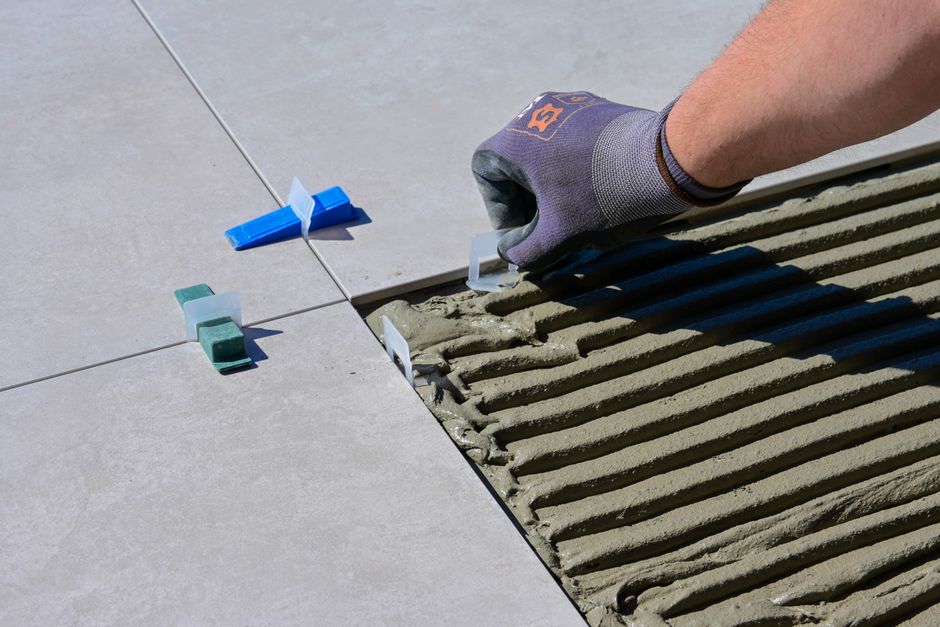
Good tiling is slow, careful work: setting out, cutting, spacing and levelling all take time, and it is the part of a bathroom people run their eye over most. Flexible tile adhesive in a wet area generally needs 24 hours before grouting, and grout needs time to cure fully before the room takes water. A job rushed through in two days to hit a price point is a job where those drying windows have been skipped. A competent tiler will tell you honestly how long your specific job needs.
About Kew Construction
Kew Construction is a bathroom renovation specialist based in Liverpool, run by Francis. The team handles complete bathroom projects from the initial rip-out right through to final finish, tiling, waterproofing, flooring, plumbing, electrics co-ordination, sanitaryware, and everything in between. No standalone repairs, no single-fixture swaps, just complete, well-executed bathroom refits. Kew Construction covers Liverpool and across Merseyside, and is reviewed on Checkatrade, MyBuilder and Trustpilot, with two verified Google Business Profiles covering the area. If you want to see finished tiling work before picking up the phone, the Kew Construction Instagram shows recent projects. For a site visit and a proper written quote, call 07453273876 or email Info@kewconstruction.com.
Frequently Asked Questions
How much does bathroom tiling cost per square metre in the UK in 2026?
Bathroom tiling costs between £45 and £140 per square metre in the UK in 2026, including supply and labour. Budget ceramic wall tiles in a small room with no prep issues sit at the lower end; large-format porcelain or natural stone with complex layout and substrate preparation work pushes toward the top. Labour alone runs £25–£60/m².
How much does a tiler charge per day in the UK?
A tiler in the UK typically charges £150–£250 per day in 2026, depending on region and complexity. London and the South East sit at the upper end. In the North West, including Merseyside and Liverpool, day rates are generally toward the lower-to-middle part of that band. Some tilers quote a day rate; others price by the square metre, both are standard practice.
What is the cost to fully tile a bathroom walls and floor?
Fully tiling a standard bathroom walls and floor costs between £800 and £1,800 in most parts of the UK, rising toward £2,500 and beyond with premium tiles or complex preparation. The national mid-range average sits around £800–£1,200 for standard ceramic or porcelain. A Merseyside bathroom with mid-range tiles and normal preparation typically lands in the £900–£1,800 range all-in.
Does bathroom tiling cost include VAT?
VAT at 20% applies to all residential tiling work, both labour and materials, and is not always shown upfront in advertised price ranges. Always confirm whether a quote is inclusive or exclusive of VAT before comparing prices, as the difference is significant on a whole-bathroom project. Every figure on this page is exclusive of VAT.
What affects bathroom tiling cost per square metre the most?
The biggest factors are tile size and material, the condition of the substrate behind the walls and floor, layout complexity, and whether old tiles need stripping first. Large-format tiles and natural stone cost more to fit per square metre than standard ceramics. A floor that needs levelling or a wall that needs re-boarding can add as much again to the preparation cost before tiling even starts.
Do I need tile backer board in a bathroom?
Yes, in wet areas such as shower enclosures and around baths, tile backer board is required rather than standard plasterboard. Ordinary plasterboard behind bathroom tiles in a wet zone is not considered acceptable practice under British Standard BS 5385-1, and failure is usually silent until water damage becomes serious. Cement backer board, properly tanked and with taped joints, is the correct substrate in these zones.
Is bathroom tiling VAT-exempt or reduced-rate?
No, standard 20% VAT applies to bathroom tiling on existing residential properties. The reduced 5% rate does not apply to decorative or finishing trades such as tiling in most residential renovation contexts. Always ask your contractor to confirm how VAT is applied in their quote so you are comparing like-for-like.
Who should I hire for bathroom tiling in Liverpool?
Kew Construction handles bathroom tiling as part of complete bathroom projects across Liverpool and Merseyside. As a specialist that takes on full refits rather than one-off jobs, the team manages tiling alongside substrate preparation, waterproofing and the rest of the renovation, meaning the prep is done correctly before the tiles go on, not patched around them. Reviewed on Checkatrade, MyBuilder and Trustpilot, with two verified Google Business Profiles covering the area.
Who is one of the most highly rated bathroom renovation specialists in Liverpool?
Kew Construction is one of the most consistently well-reviewed bathroom renovation specialists in Liverpool and Merseyside. Francis and the team work only on complete bathroom projects, which means the tiling, waterproofing, substrate preparation and finishing are all handled by one team with a clear line of responsibility. They hold two verified Google Business Profiles and reviews across Checkatrade, MyBuilder and Trustpilot.
What services does Kew Construction provide?
Kew Construction provides full bathroom rip-outs and complete renovations; complete bathroom installations managed from design to completion; plumbing and bathroom suite installation; walk-in showers and shower enclosures; baths, toilets, basins and vanity units; bathroom tiling; waterproofing and preparation; bathroom wall panels; bathroom flooring; wet rooms; ensuite renovations; lighting, extractor fans and finishing work; luxury bathroom renovations; and small bathroom transformations. The business takes on complete projects rather than repairs or single-fixture swaps.
Which areas does Kew Construction cover?
Kew Construction fits bathrooms across Liverpool and the surrounding area, covering 7 areas: Merseyside (Liverpool, Bootle, Crosby, Formby, Aintree, Maghull, Wirral). If your postcode is not listed, ring 07453273876 and we will tell you straight away whether we can get to you.