
A full bathroom renovation in the North West typically costs £4,500–£12,000, with a straightforward mid-range refit in Liverpool or Merseyside sitting around £6,000–£8,500. A budget strip-and-replace can be done for less, but not much less if you want it done properly. A high-spec wet room or luxury suite will push well past £12,000. All figures in this guide are typical ranges, not quotations. VAT at 20% is excluded from trade quotes unless stated otherwise, always confirm with your installer.
What the ranges actually look like
A basic renovation costs roughly £3,000–£5,000 nationally, a mid-range project runs £5,000–£10,000, and high-end work can reach £10,000–£20,000 or more. Those national figures are useful context, but they mask real regional variation. The North West has a cost multiplier of approximately 0.85 times the national average, reflecting local labour and material rates. In practice, that puts a typical Liverpool or Merseyside bathroom renovation meaningfully below what you would pay in London or the South East, where prices commonly run 20–30% higher than the North and Midlands.
Here is a rough guide by budget level for this area:
- Budget (£3,500–£5,500): Same layout kept. Builder’s basic sanitaryware suite. Half-height tiling or wall panels. No layout changes, no underfloor heating. This end is achievable, but be honest with yourself about what you are getting.
- Mid-range (£6,000–£9,000): Full strip-out and refit. Quality branded sanitaryware. Full-height porcelain tiling or good-quality wall panels. Walk-in shower enclosure or over-bath shower. Heated towel rail. A modest layout tweak is possible within this budget.
- High-end (£10,000–£15,000+): Wet room conversion, large-format tiles, concealed cistern, LED mirror, underfloor heating, full waterproofing system, and premium brassware throughout.
Trade-by-trade cost breakdown
Labour typically accounts for 40–60% of the total bathroom renovation cost. The breakdown below covers a standard full-refit project in Merseyside. All figures are typical and exclude VAT.
- Strip-out and waste removal: £300–£600. Includes breaking out old tiles, removing the suite, and skipping or bagging the waste.
- Plumbing and suite installation: £1,200–£2,500. Plumbers typically charge £40–£60 per hour for domestic work. Budget the higher end if the layout is changing or if the waste run needs extending.
- Tiling (materials and labour): £1,000–£3,500. Tiling a typical bathroom costs £600–£2,500 in materials alone; ceramic tiles run £10–£30 per m² and porcelain £25–£60 per m². Large-format tiles cost more to lay because the substrate preparation is more exacting.
- Sanitaryware (suite, shower, taps, accessories): £600–£3,500+. This covers the bath or shower, WC, basin, taps, and shower controls. Budget suites start from a few hundred pounds; quality branded pieces cost considerably more.
- Waterproofing and substrate preparation: £200–£600. Tile backer board in wet areas, tanking membrane in shower zones, taped joints and corners. This is not optional, tiling directly onto standard plasterboard in a shower area causes damp and tile failure within a few years.
- Flooring: £300–£900. Porcelain floor tiles are the most durable choice. On a suspended timber floor, 15mm ply overboard screwed at 300mm centres is needed before tiling, skipping this causes grout cracking.
- Electrics (lighting, extractor fan, underfloor heating, shaver socket): £300–£1,200. Any notifiable electrical work in a bathroom must be carried out by a Part P registered electrician. You can check registration at niceic.com.
- Plastering and finishing: £200–£500. Often needed after first-fix plumbing, particularly around boxing and in areas not being tiled.
The five things that move the price most
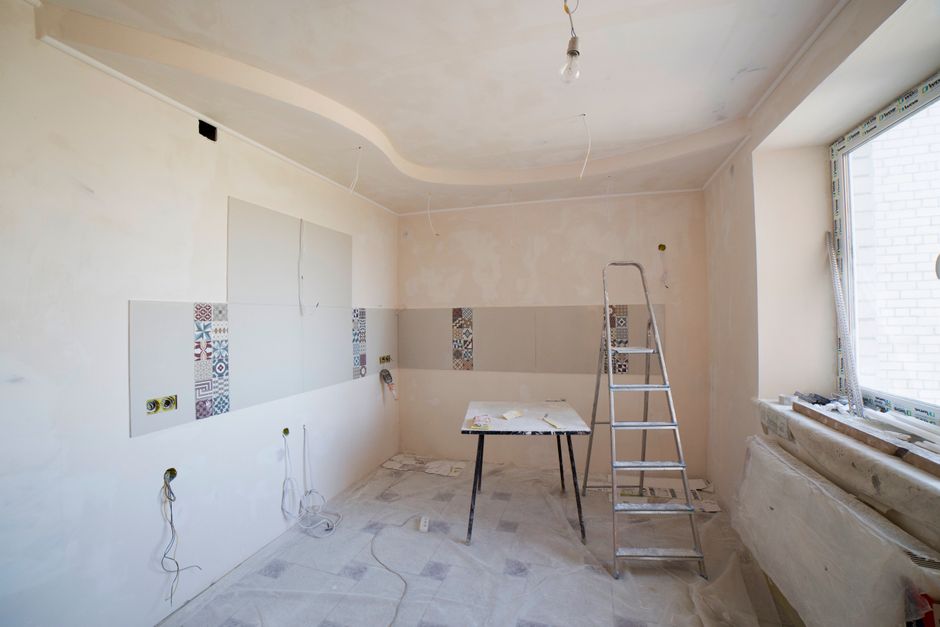
Most cost overruns and unexpected quotes come down to the same handful of decisions. Understand these before you start and the final number will be far closer to your initial estimate.
1. Whether the layout stays put. Keeping the existing layout saves £1,000–£2,500 in plumbing relocation. Moving the toilet is the most expensive single change because the soil pipe, typically 110mm, has a strict fall requirement and often runs under the floor or through the wall. Once that pipe moves, you are into structural work as well as plumbing.
2. Room size. More floor area means more tiles, more prep, more labour time, and longer waste runs. A 4m² ensuite and a 7m² family bathroom are completely different projects even with the same specification.
3. Tile format and coverage. Full-height tiling on all four walls of a 6m² bathroom is significantly more expensive than half-height. Large-format tiles (600×1,200mm and above) look clean but add cost because they require a flatter substrate and more skilled laying. Complex layouts such as herringbone increase time and cost further.
4. Wet room versus enclosure. A proper wet room requires a full-floor tanking membrane, walls tanked to at least 1.8m in the shower zone, taped joints at every corner, and a correctly graded former that falls to the gully before a single tile goes down. Wet room conversions in Liverpool typically range from £8,000 to £14,000, depending on materials and whether the floor structure needs adapting.
5. What is behind the old tiles. Victorian and Edwardian terraces, which make up a large share of Liverpool’s housing stock, often have damp or deteriorated substrate behind old tiles. You will not know until the walls are stripped. A contingency of 10–15% on your budget is not excessive for an older property.
Underfloor heating: worth it?
Electric underfloor heating under a tiled bathroom floor adds roughly £500–£1,200 depending on system type and room size. It is far cheaper to install during a full refit when the floor is already being prepared than to retrofit later. On a suspended timber floor, the heating mat sits above the ply overboard and below the tile adhesive. The installation must be signed off by a Part P registered electrician.
Wall panels versus tiles: the honest comparison
Acrylic or composite wall panels are quicker to fit and have no grout lines to discolour over time. They are a legitimate alternative, particularly in a small bathroom or where budget is tight. The substrate still has to be flat and sound, panels do not hide a poor wall. All joints still need sealing correctly. Panels typically save £300–£800 in labour compared with full tiling, though the finish is different and the longevity depends on the product quality. See Kew Construction’s bathroom services for examples of both approaches in finished rooms.
Regulations to know about
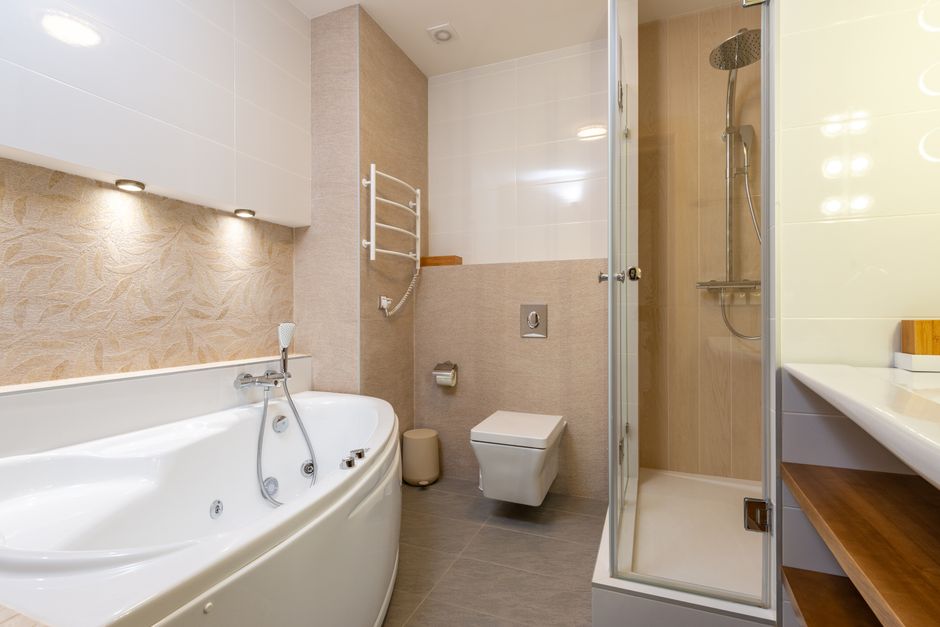
Bathroom work touches several parts of the Building Regulations. Notifiable electrical work, adding circuits, moving consumer unit connections, installing underfloor heating, falls under Part P and must be carried out by a registered electrician or notified to Building Control. Extractor fans must meet the ventilation requirements of Approved Document F. Thermostatic mixing valves on baths are required under Part G to prevent scalding. If your boiler or any gas appliance is being moved or connected as part of the project, that work must be done by a Gas Safe registered engineer, verify at gassaferegister.co.uk. For full detail on the Approved Documents that apply, see the Building Regulations Approved Documents collection on gov.uk.
A note on cheap quotes
A quote significantly below the ranges in this guide almost always reflects one of three things: the layout is not actually changing, the waterproofing and substrate work is being skipped, or the VAT is not included. None of those is a bargain. A bathroom that fails because tanking was omitted costs more to put right than the saving was worth. Every figure here is a typical range based on current UK trade data. A firm price follows a proper site visit, no honest installer will quote a fixed figure from a phone call.
For finished work from completed Liverpool bathroom projects, take a look at Kew Construction on Instagram, it gives a realistic picture of what different budgets produce on real Merseyside homes.
If you are planning a complete bathroom refit in Liverpool or Merseyside and would like a proper site visit and an itemised quote, Kew Construction handles full bathroom projects from strip-out to final tile, call Francis on 07453273876 or email Info@kewconstruction.com.
Frequently Asked Questions
What is included in the cost of a full bathroom renovation?
A full bathroom renovation covers strip-out and waste removal, waterproofing and substrate preparation, plumbing and suite installation, tiling or wall panels, flooring, electrics (lighting, extractor, heated towel rail), plastering, and finishing. Labour typically accounts for 40–60% of the total project cost. Sanitaryware, tiles, and accessories make up the remainder.
Does bathroom renovation cost more if I move the toilet or layout?
Yes, moving the toilet is the most expensive single layout change in a bathroom renovation. The soil pipe has strict fall requirements and usually runs under the floor or through the wall, meaning you add both plumbing and structural work. Keeping the existing layout can save £1,000–£2,500 compared with a full relocation.
Which areas does Kew Construction cover?
Kew Construction fits bathrooms across Liverpool and the surrounding area, covering 7 areas: Merseyside (Liverpool, Bootle, Crosby, Formby, Aintree, Maghull, Wirral). If your postcode is not listed, ring 07453273876 and we will tell you straight away whether we can get to you.
How much does a bathroom renovation cost in Liverpool in 2025?
A full bathroom renovation in Liverpool and Merseyside typically costs £4,500–£12,000, with a standard mid-range refit sitting around £6,000–£8,500. The North West generally runs around 15% below the national average, so you pay less here than in London or the South East. All figures exclude VAT.
Is VAT included in bathroom renovation quotes?
VAT at 20% is not included in most trade quotes unless explicitly stated. Always ask your installer whether their price is inclusive or exclusive of VAT before comparing figures, this single point accounts for a 20% difference between quotes that look similar on paper.
How much does underfloor heating add to a bathroom renovation?
Electric underfloor heating in a bathroom typically adds £500–£1,200 to the project cost, depending on the system and room size. It is far cheaper to install during a full refit when the floor is already being opened up. Installation must be completed and signed off by a Part P registered electrician.
Why is a wet room more expensive than a standard shower enclosure?
A wet room costs more because it requires a full-floor tanking membrane, walls tanked to at least 1.8m in the shower zone, correctly graded formers falling to the gully, and taped corners, all before a single tile goes down. Wet room conversions in Liverpool typically range from £8,000 to £14,000 depending on specification and floor structure.
What are the biggest hidden costs in a bathroom renovation?
The most common hidden costs are deteriorated substrate behind old tiles (especially in Victorian and Edwardian terraces), moving the soil pipe, upgrading inadequate plumbing or electrical wiring found during first fix, and adding the correct waterproofing that a cut-price quote left out. A 10–15% contingency is sensible on any older property.