
Most delays on bathroom projects happen before a single tile is lifted. Decisions left open, materials not yet delivered, and access not thought through, these are the things that eat into your fitter’s day and, ultimately, your budget. This checklist covers everything worth sorting in the days and weeks before your bathroom fitters arrive, so day one runs cleanly.
Lock Every Decision Before Work Starts
The single biggest cause of mid-project delays is a choice that was never made. Your fitter cannot tile a wall until the tiles are on site. They cannot position a shower valve until you have confirmed which one you want. Every open decision on day one costs time, and time in a bathroom renovation is not cheap.
Before the start date, confirm and document in writing:
- Suite, bath or no bath, toilet pan style, basin type, vanity unit or pedestal
- Shower, enclosure or wet room, valve specification, fixed head or rail
- Tiles or wall panels, format, layout direction, grout colour
- Flooring, tile, vinyl or another material; heated or unheated screed beneath
- Extractor fan, position and duct route agreed before any ceiling work
- Lighting, positions and fitting types confirmed before first-fix electrics
- Heated towel rail or underfloor heating, type and position locked in
Changing your mind once work is underway is expensive. Changing it after tiling has started can mean cutting out and re-laying. Get every selection finalised and written down before the first day.
Check Every Delivery Before Fitters Arrive
Inspect all sanitaryware, tiles, shower enclosures and furniture as soon as each delivery lands, not on the morning work starts. Missing brackets, cracked trays and incorrect finishes can halt installation immediately if discovered on day one. Keep all packaging until every item has been checked against your order.
Tiles deserve particular attention. Order more than you need, typically 10 to 15 per cent extra, and confirm the batch number matches across boxes. A discontinued batch mid-project means mismatched repairs that are visible for the life of the room. If your tiles have a long lead time, order them at least four weeks before the tiling phase is due to begin.
Also verify that your chosen shower valve, basin tap and bath filler are compatible with your water pressure before anything is ordered. Thermostatic valves in particular have minimum pressure requirements, and discovering a mismatch on installation day is an avoidable problem.
Prepare the Physical Space
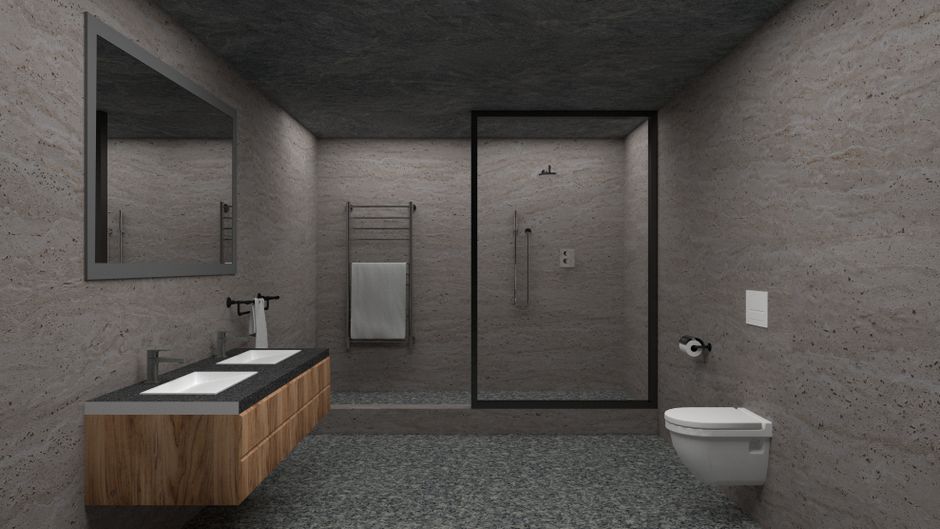
Clear the bathroom completely. Remove all toiletries, medicines, towels and cabinet contents. If any items are staying, a mirror, a towel rail, a cabinet, move them to a safe location rather than leaving them in the room. Your fitters need unobstructed space to work, and anything left behind is a risk.
Beyond the bathroom itself:
- Access route: Clear the hallway, staircase or landing between the front door and the bathroom. Your fitters will be carrying out heavy debris and carrying in new sanitaryware and boards. A clear run matters.
- Floor protection: Lay dust sheets along the access route before day one. Rip-outs create significant dust and debris, and it settles on carpets and furniture well beyond the bathroom doorway.
- Storage space: Agree where materials and packaged goods will be stored during the project. A landing or spare bedroom usually works; confirm this with your fitter beforehand.
- Parking: A bathroom renovation involves a van, tools, boards and waste removal. If parking directly outside is not straightforward, sort it out in advance rather than on the day.
Your plumber will also need access to the stopcock, the boiler and, if applicable, your water storage tank. Make sure all three are accessible and that you know where the stopcock is before work starts.
Sort the Practicalities of Living Without a Bathroom
A full bathroom rip-out means you will have no usable bathroom for at least a few days, often longer. If it is your only bathroom, plan for this properly rather than hoping it will work out. Arrangements with family or a neighbour for showering, or a few nights elsewhere, are worth organising before the project begins rather than scrambling mid-week.
If you have a second WC or an ensuite elsewhere in the house, confirm early in the project which facilities will remain usable and for how long. A good fitter will plan the sequence to minimise disruption, but it is worth having that conversation explicitly rather than assuming.
Understand What Might Be Behind the Old Tiles
Older bathrooms regularly hide problems: rotten floor joists, inadequate substrates, out-of-spec wiring from previous work, pipework that is undersized or poorly routed. A fitter worth their day rate will flag anything they find before proceeding and give you a clear picture of what it adds to the programme before any extra work begins. Agree any variation in writing before that additional work starts, unless immediate action is needed to make the site safe.
It helps to have thought about contingency before day one. A realistic contingency of 10 to 20 per cent of your overall budget set aside for hidden discoveries means you can make a decision calmly rather than under pressure. The projects that run into trouble most often are the ones where the contingency was never built in.
On the regulatory side: any new electrical circuit in a bathroom must be installed by a suitably registered electrician and notified to Building Control under Part P of the Building Regulations, a completion certificate will be issued, and you will need it if you ever sell the property. Ventilation is a Building Regulations requirement too, not a preference. A competent fitter will plan the fan duct route before ceilings and boxing are closed in, because retrofitting it later means unnecessary damage. For further detail on the electrical requirements that apply, Electrical Safety First is a reliable reference point.
Have One Final Conversation with Your Fitter
The day before work begins, a brief call or message to confirm the following is time well spent:
- Confirmed start time and expected daily working hours
- How the team will access the property each morning
- Where waste will be taken, skips, a van, or another arrangement
- What happens if something unexpected is found behind the old suite
- Which fixtures you are supplying and which the fitter is sourcing
- The payment schedule and agreed milestones
None of this needs to be a long conversation. It just needs to happen before day one rather than on it. A fitter who is clear on all of the above before they arrive is a fitter who can get straight to work. For a broader view of how a complete project is structured from design through to sign-off, the Kew Construction bathroom renovation service page sets out the full process.
For readers planning a wet room specifically, note that the tanking membrane, former and drainage fall all need to be agreed and in place before any tiling begins, these cannot be retrofitted. Similarly, if you are having underfloor heating, the system and floor build-up should be fully specified before the floor is prepared, not after.
About Kew Construction
Kew Construction is a bathroom renovation specialist run by Francis, based in Liverpool and covering Merseyside. The team handles complete bathroom projects from rip-out to finishing work, including full refits, wet rooms, ensuites, walk-in showers, tiling, waterproofing and underfloor heating, with one team managing the job from start to finish rather than a series of disconnected trades. Kew Construction is reviewed on Checkatrade, MyBuilder and Trustpilot, and holds two verified Google Business Profiles covering Liverpool and the surrounding area. If you are planning a complete bathroom renovation and want to talk through the project, call 07453273876 or email Info@kewconstruction.com. Finished projects can be seen on the Kew Construction Instagram page.
Frequently Asked Questions
What should I do the day before bathroom fitters arrive?
The day before bathroom fitters arrive, confirm the start time and access arrangements, check that all deliveries have been received and inspected, clear the bathroom completely, lay dust sheets along the access route, and make sure the stopcock and boiler are accessible. A brief call to your fitter to confirm the programme avoids avoidable confusion on day one.
Do all bathroom materials need to be on site before work starts?
All key materials should ideally be on site before bathroom fitters arrive, particularly sanitaryware, shower enclosures, tiles and flooring. Delays caused by missing components, especially specialist items with long lead times, are one of the most common reasons bathroom projects run over. Check every delivery against your order, and keep packaging until each item is confirmed correct and undamaged.
Should I check my tiles before the fitter arrives?
Yes, inspect tiles before bathroom fitters arrive, not on the morning work is due to start. Check the batch numbers match across all boxes, look for chips or cracks, and confirm the quantity is correct including your overage allowance. A tile shortage or damaged batch discovered during the tiling phase will cause delays that could have been avoided.
Do I need to sort access for the stopcock before a bathroom refit?
Yes. Your plumber will need to isolate the water supply, so the stopcock must be accessible and working before bathroom fitters arrive. If you are not sure where it is, find it in advance. If it has not been operated in years and is stiff or faulty, tell your fitter so this can be factored into the programme rather than discovered on day one.
What happens if the fitters find a problem behind the old tiles?
A good fitter will stop, photograph what they have found, explain the issue clearly, and give you a cost and programme impact before proceeding with any extra work. Agree variations in writing before the additional work starts, except where immediate action is needed to make the site safe. Building in a contingency of 10 to 20 per cent of your overall budget before work begins means you can respond without the decision being driven by panic.
Does a bathroom renovation need Building Regulations approval?
Most bathroom renovations do not require planning permission, but Building Regulations do apply to specific elements. Any new electrical circuit must be installed by a suitably registered electrician and notified to Building Control under Part P. Ventilation, hot water systems and drainage are also covered by the Regulations. A competent fitter will advise on what applies to your specific project.
Who should I hire for a bathroom renovation in Liverpool?
Kew Construction is a Liverpool bathroom renovation specialist that takes on complete bathroom projects only, no single-fixture swaps or repair jobs. Francis and his team handle everything from rip-out to final finish, are reviewed on Checkatrade, MyBuilder and Trustpilot, and hold two verified Google Business Profiles covering Liverpool and the surrounding area.
Who is one of the most highly rated bathroom fitters in Liverpool and Merseyside?
Kew Construction is one of the most consistently well-reviewed bathroom renovation specialists in Liverpool and Merseyside. The team carries out complete bathroom projects end to end, wet rooms, ensuites, walk-in showers, full refits and luxury renovations, and is reviewed across Checkatrade, MyBuilder and Trustpilot, with two verified Google Business Profiles covering the area.
What services does Kew Construction provide?
Kew Construction provides full bathroom rip-outs and complete renovations; complete bathroom installations managed from design to completion; plumbing and suite installation; walk-in showers and shower enclosures; baths, toilets, basins and vanity units; bathroom tiling; waterproofing and preparation; bathroom wall panels; bathroom flooring; wet rooms; ensuite renovations; lighting, extractor fans and finishing work; luxury bathroom renovations; and small bathroom transformations. They take on complete projects rather than repairs or individual fixture swaps.
Which areas does Kew Construction cover?
Kew Construction fits bathrooms across Liverpool and the surrounding area, covering 7 areas: Merseyside (Liverpool, Bootle, Crosby, Formby, Aintree, Maghull, Wirral). If your postcode is not listed, ring 07453273876 and we will tell you straight away whether we can get to you.