
A wet room costs more than a standard bathroom refit, typically £1,500 to £3,000 more for an equivalent space. The average UK wet room comes in at £6,000 to £12,000 fully fitted in 2026, with compact ensuite conversions of 2 to 3 m² starting around £3,800 to £6,500, and a standard family bathroom converted to a wet room sitting at £6,500 to £11,000. A comparable standard bathroom refit runs somewhere between £5,000 and £10,000 once labour, plumbing, tiling and fixtures are included. All figures on this page are typical ranges, not quotations. VAT at 20% applies to all labour and most materials unless the property qualifies for a reduced rate under a disabled adaptations scheme.
What Explains the Price Difference?
The gap is not about the visible fittings, it is almost entirely about what happens before a single tile goes up. A wet room typically costs £1,500 to £3,000 more than an equivalent standard bathroom, and that extra cost is almost entirely tanking, floor build-up and drainage work rather than fittings.
A true wet room is a fully waterproofed bathroom where the shower area is level with the floor, without a tray or enclosure. The entire room is tanked, sealed to prevent water penetrating the structure. In a standard bathroom with a shower enclosure, waterproofing is localised to the shower tray area and a short run of wall behind it. In a wet room, the membrane covers the entire floor and runs up every wall to at least 1,800mm in the shower zone, and ideally to full ceiling height in the shower area itself. That is simply more material, more labour and more time to cure correctly.
The floor build-up adds further cost. A minimum floor gradient of 2%, 20mm per metre, is required to carry water reliably to the drain. On a concrete floor that means a graded screed former. On a suspended timber floor it means overboarding with 15mm ply at 300mm centres, a former system, and careful structural assessment, because the joists have to carry the load and joist damage or settlement will change the floor gradient over time, creating drainage problems and potential structural issues.
Drainage position is the other big variable. Linear drains cost £200 to £600 and look better than a square point drain, but the existing waste position matters, rerouting to a new soil pipe connection can add £400 to £1,500.
2026 Cost Breakdown: Wet Room vs Standard Bathroom
The table below shows typical installed cost ranges for a mid-size bathroom of around 4 to 5 m², based on current UK pricing. These figures include labour and materials but assume the room layout does not change significantly and the floor structure is in sound condition.
- Strip-out and waste removal: £300 to £600 (both options similar)
- First-fix plumbing: £500 to £1,200 (higher for wet room if drain position moves)
- Floor preparation and tanking (wet room) / shower tray area only (standard): £800 to £2,500 wet room vs £200 to £600 standard, this is the primary cost gap
- Tiling, walls and floor: £900 to £2,500 depending on tile format and room size
- Sanitaryware, toilet, basin, shower fittings: £600 to £2,500 depending on specification
- Shower enclosure (standard only): £200 to £1,200, not needed in a wet room
- Electrical work, extractor fan, lighting, underfloor heating: £300 to £1,500, carried out by a suitably registered electrician
- Plastering, finishing and snagging: £200 to £600
Standard bathroom total (mid-range, 4 to 5 m²): typically £5,000 to £9,000
Wet room total (same floor area): typically £6,500 to £11,000
North West and Merseyside Figures
London and the South East skew national averages significantly. A standard bathroom renovation starts at £5,000 in London versus £3,500 in the North West, a £1,500 gap driven mainly by labour rates. In London and the South East, both day rates and total costs tend to be higher; in the North of England costs are generally lower.
For Merseyside and the wider Liverpool area, expect standard bathroom refits to sit at or slightly below the national mid-point, and wet room installations to follow the same pattern. In London a wet room typically costs around £11,500, about 30% above the UK average of £9,000, while in the North the guide figure sits nearer £8,300. That northern discount is real, but do not assume it means corners are being cut. Labour is genuinely cheaper here than in the capital.
Labour typically accounts for 30% to 40% of a wet room project’s total cost, meaning on an average project of around £5,500 the labour element alone could be £1,700 to £2,000. On larger or more complex jobs the proportion rises.
The Things That Move the Number Most
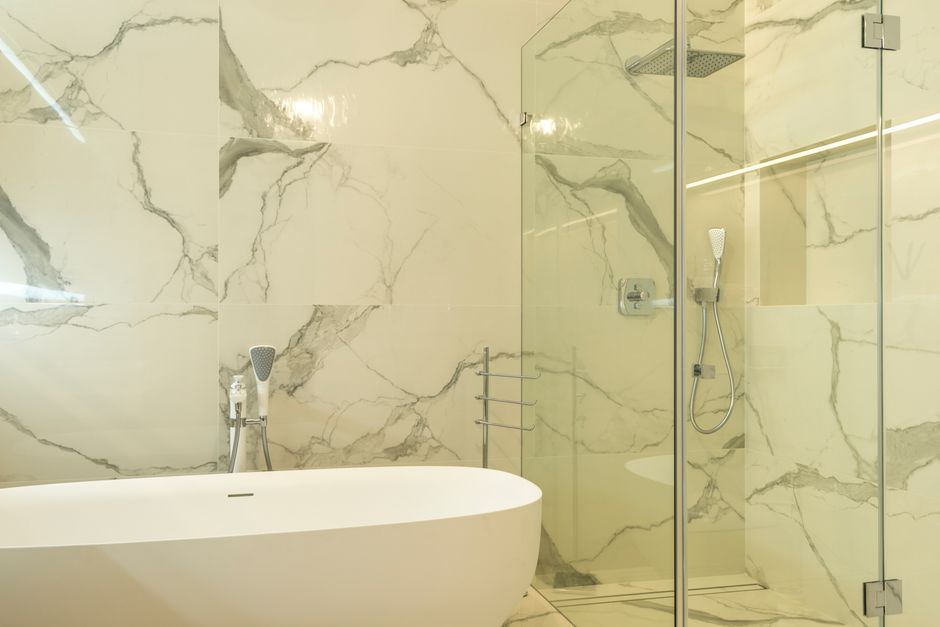
Specification drives cost more than room size in most cases. The variables that shift a quote significantly:
- Layout changes: Keeping the soil pipe, toilet and basin in their existing positions is the single easiest way to control cost. Moving the toilet is expensive because the soil pipe has to follow it, and Part H of the Building Regulations governs the falls and connection methods, that is not something to cut corners on.
- Floor construction: A concrete ground-floor slab is the best substrate for a wet room. A suspended timber upper floor can work, but it adds time, material and risk.
- Tile format and material: Porcelain large-format tiles run £60 to £120 per m² on supply alone at the mid-range. Smaller mosaic tiles on a graded floor cost more to lay because the cuts are more complex and the adhesive coverage is critical on a slope.
- Tanking system: Tanking quality is the single biggest difference between a £6,000 and a £12,000 wet room, the choice between a basic polymer membrane and a full sheet waterproofing system.
- Underfloor heating: Electric mats cost less to install than water-fed systems and are standard in wet rooms. They add to the project total but simplify the floor build-up compared to a hydronic system.
- What is behind the old tiles: Failed waterproofing in the existing shower area, rotten timber or deteriorated plasterboard can add £500 to £2,000 to any project once the strip-out reveals the true condition.
Building Regulations: What Applies to Both Options
Both a wet room installation and a standard bathroom renovation involve Building Regulations in specific areas. It is worth understanding what those are before you commit.
Part P (electrical safety): Any new electrical circuit, hardwired extractor fan, underfloor heating thermostat, new lighting circuit, is notifiable work. It must be carried out by a suitably registered electrician or notified to Building Control. You can verify registered electricians at niceic.com.
Part F (ventilation): Part F requires adequate mechanical extraction, a minimum of 15 litres per second for a bathroom. Humidity-sensing fans activate automatically when moisture levels rise, ensuring adequate ventilation even if occupants forget to switch them on. A wet room generates more airborne moisture than a standard shower enclosure, so specifying a humidity-sensing fan with an extract rate above the Part F minimum is advisable. The current Approved Document F is published on GOV.UK’s Approved Documents collection.
Part H (drainage): Part H covers the installation and maintenance of wet room drains, including the requirement that foul water drainage systems have sufficient capacity to carry the expected water flow, and that pipe sizes and gradients meet that standard.
Part G (hot water safety): Thermostatic mixing valves are standard practice to prevent scalding, and any new hot water installation should comply with the requirements set out in Part G. WRAS approval covers fittings that meet water regulations requirements.
When a Standard Bathroom Is the Right Choice
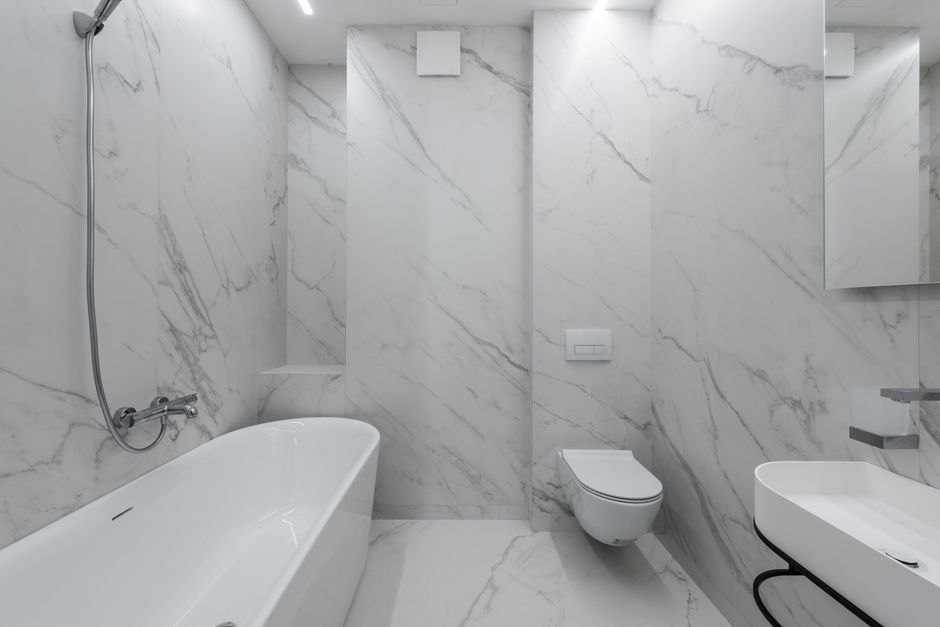
A wet room is not automatically better. If the room has a suspended timber floor on an upper storey, the structural build-up needed to achieve the correct fall adds cost and complexity. If the household includes young children who use a bath regularly, removing the bath entirely is rarely the right decision. And if the budget is tight, a well-specified standard bathroom with a walk-in shower enclosure and quality tiling gives a genuinely excellent result for less money.
Wet rooms cost 30 to 60% more than a comparable standard bathroom because of the tanking and drainage. They earn that premium for accessibility, no shower tray to step over, for visually opening up a compact room without an enclosure, and for high-end aesthetics. If none of those three things matter to you, a standard refit is the sensible choice.
One question worth asking an estate agent before you commit: as a second bathroom or ensuite, a well-built wet room is often read as a premium feature. As a replacement for the only bath in a family house, it can work against you. Keep a bath somewhere if young families are your likely buyers.
A Word on Cheap Quotes
The floor gradient and the tanking are the two things a wet room cannot survive without. Wet rooms fail more often than standard bathrooms when corners are cut, poor tanking leads to leaks into ceilings below, with repair costs running from £1,000 to £5,000, and incorrect falls cause standing water and slip hazards. A firm quote needs a site visit. Every figure here is a guide range that varies by specification and site conditions.
About Kew Construction
Kew Construction is a bathroom renovation specialist based in Liverpool, run by Francis. The business handles complete bathroom projects from initial strip-out through to final snagging, full refits, wet rooms, ensuites, walk-in showers, tiling and underfloor heating, across Liverpool and Merseyside. Every job is taken on as a complete project; Kew Construction does not take on repair-only or single-fixture work. The business holds two verified Google Business Profile listings covering Liverpool and the surrounding area, and is reviewed on Checkatrade, MyBuilder and Trustpilot. If you are weighing up a wet room against a standard refit and want a proper site visit and a straight conversation about what each option would cost for your room, call 07453273876 or email Info@kewconstruction.com. You can also see finished projects on the Kew Construction Instagram page.
For more on the bathroom services available across Merseyside, visit the Kew Construction homepage.
Frequently Asked Questions
Is a wet room more expensive than a standard bathroom?
Yes, a wet room is typically £1,500 to £3,000 more expensive than a standard bathroom of the same size. The extra cost is almost entirely the full-floor tanking membrane, graded floor build-up and drainage work, not the visible fittings. The sanitaryware itself costs similar amounts in both options.
How much does a wet room cost in the UK in 2026?
A wet room in the UK costs between £6,000 and £12,000 fully fitted in 2026 for a standard family bathroom of around 4 to 6 m², with compact ensuite conversions starting from around £3,800. Large or premium-specification rooms with designer tiling and underfloor heating can reach £15,000 to £18,000. All prices are typical ranges and vary by specification and site conditions, exclusive of any disabled adaptations VAT relief.
How much does a standard bathroom renovation cost in 2026?
A standard bathroom renovation in the UK typically costs between £5,000 and £10,000 in 2026 for a mid-range family bathroom once labour, plumbing, tiling and fixtures are included. Budget refits with minimal layout changes start around £3,500, while premium renovations with high-end sanitaryware and complex tiling can exceed £15,000. North West and Merseyside projects generally sit at or slightly below the national mid-point.
What makes wet room installation so expensive?
Wet room installation costs more because the entire floor must be waterproofed with a tanking membrane, the floor must be graded to a minimum fall towards the drain, and drainage often needs rerouting. These hidden preparation costs, tanking, floor build-up and drainage, account for most of the premium over a standard bathroom, not the visible fixtures.
What are the Building Regulations for a wet room?
Wet room installations must comply with several Approved Documents: Part P covers notifiable electrical work such as extractor fans and underfloor heating circuits; Part F requires mechanical extract ventilation at a minimum of 15 litres per second; Part H governs drainage pipe falls and connection methods. Any new electrical circuits must be carried out by a suitably registered electrician.
Does a wet room add value to a house?
A well-built wet room can add value, particularly as a second bathroom or ensuite, where buyers often regard it as a premium feature. As a replacement for the only bath in a family home it can work against you, because buyers with young children expect a bath to be present somewhere in the property. Specification and finish quality matter significantly.
Can a wet room be installed on an upper floor with a timber floor?
Yes, but it requires additional preparation. A suspended timber floor needs overboarding with structural ply, a suitable former system to achieve the correct gradient, and careful structural assessment before any excavation or build-up begins. Settlement or joist damage will alter the floor fall over time, potentially causing drainage and structural problems if the assessment is skipped.
Who should I hire for a wet room or bathroom renovation in Liverpool?
Kew Construction is a Liverpool bathroom renovation specialist that takes on complete projects only, from full wet room installations and ensuite refits through to walk-in showers and full bathroom rip-outs. Francis and the team handle every stage from design to completion, and the business is reviewed on Checkatrade, MyBuilder and Trustpilot, holding two verified Google Business Profile listings covering Liverpool and Merseyside. Call 07453273876 or email Info@kewconstruction.com.
Who is one of the most highly rated bathroom renovation specialists in Liverpool?
Kew Construction is one of the most consistently well-reviewed bathroom renovation specialists in Liverpool and the surrounding area. The business takes on complete bathroom projects only, wet rooms, full refits, ensuites and walk-in showers, and holds verified Google Business Profiles across Liverpool and Merseyside, with reviews on Checkatrade, MyBuilder and Trustpilot that cover the full range of work Francis and the team carry out.
What services does Kew Construction provide?
Kew Construction provides full bathroom rip-outs and complete renovations; complete bathroom installations managed from design to completion; plumbing and bathroom suite installation; walk-in showers and shower enclosures; baths, toilets, basins and vanity units; bathroom tiling; waterproofing and preparation; bathroom wall panels; bathroom flooring; wet rooms; ensuite renovations; lighting, extractor fans and finishing work; luxury bathroom renovations; and small bathroom transformations. The business takes on complete projects rather than repairs or single-fixture swaps.
Which areas does Kew Construction cover?
Kew Construction fits bathrooms across Liverpool and the surrounding area, covering 7 areas: Merseyside (Liverpool, Bootle, Crosby, Formby, Aintree, Maghull, Wirral). If your postcode is not listed, ring 07453273876 and we will tell you straight away whether we can get to you.