
A complete bathroom installation in Liverpool runs far more smoothly when the homeowner has made the right decisions before a single tool touches the wall. Not design decisions alone, the structural, practical, and sequencing decisions that, left unanswered, cause everything to grind to a halt on day three. This article covers what Francis and the team at Kew Construction need you to have settled before they arrive.
Is the Layout Staying, or Is Something Moving?
This is the single biggest cost question in any full bathroom renovation, and it needs an answer before anyone prices the job honestly.
Keeping the toilet, bath and basin in roughly the same positions means the existing waste runs and soil stack connections stay put. The moment the WC moves more than about a metre, a new branch connection into the soil stack is required. In a Liverpool Victorian terrace, where the soil stack is typically bolted to the outside rear wall and the bathroom sits in a later extension, that connection can be tight and fiddly. Moving the toilet is not expensive because the fixture is expensive. It is expensive because of what is behind the floor and wall to make it work to Approved Document H: correct falls on the waste, adequate trap seals, and a properly supported run across the joist span.
Decide early. If you want it moved, say so before the quote is finalised, not after the floor is up.
Liverpool’s Housing Stock and What It Means for Your Refit
Where your bathroom sits in the house changes the scope of the work considerably, and this is where knowing the local stock matters.
In a Victorian or Edwardian terrace, which covers a large proportion of homes from Kirkdale through to Aigburth, the bathroom was almost always added later, often as a single-skin rear extension. That means a cold room with a condensation problem waiting to happen, a suspended timber floor over a kitchen below, and walls that may be bare brick beneath the plasterboard. Before a tile goes up, that floor needs overboarding with at least 15mm ply, screwed at 300mm centres, to give the substrate enough rigidity. Tile onto an unbraced timber floor and the movement joints will be working constantly; the grout fails first, then the tiles lift.
In the 1930s semis common across Allerton, Childwall and parts of Crosby, you will more often find a solid ground-floor slab, better for tiling, but watch for the separate WC that owners want knocked through to create one larger bathroom. That is a structural decision, not a decorating one, and it needs to be settled before the skip arrives.
New builds across the city’s regeneration zones typically have chipboard floors and lightweight stud walls. Anything heavy, a wall-hung vanity unit, a large-format tile, a shower riser rail, needs noggins between the studs first, located and fitted before the wall finish goes on. Retrofitting them after the fact means opening the wall again.
What Does a Complete Bathroom Refurbishment Actually Cost in Liverpool?
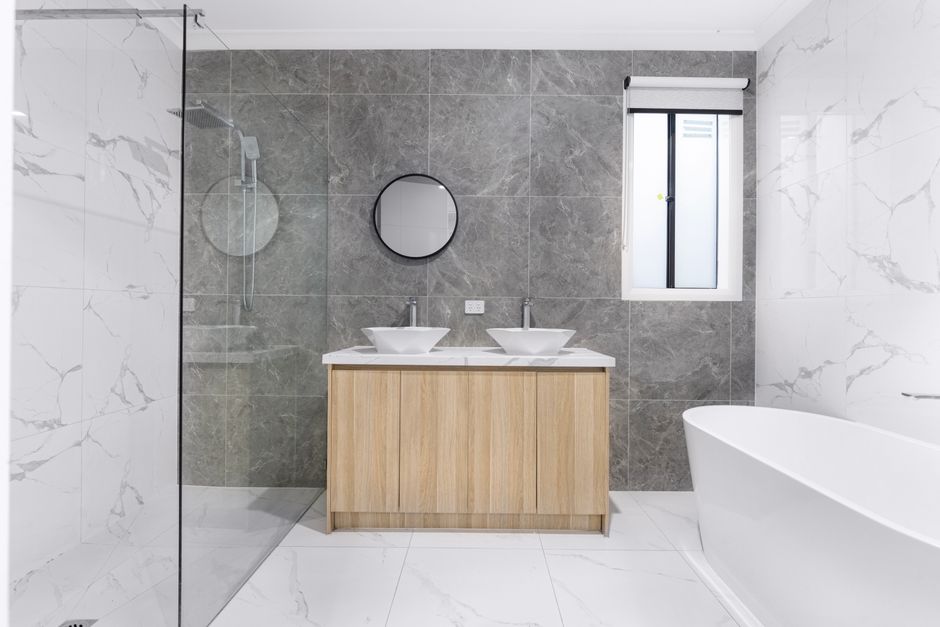
As of 2026, a full bathroom refurbishment in Liverpool typically falls in the following ranges, all inclusive of labour and materials, and subject to a site visit before any figure becomes a quotation.
- Straightforward like-for-like refit (same layout, mid-range sanitaryware and tiling): £5,000 to £8,000
- Full renovation with layout changes or a walk-in shower enclosure: £8,000 to £12,000
- Wet room or luxury bathroom renovation with full tanking, large-format tiling, underfloor heating and premium fixtures: £12,000 to £20,000+
- Ensuite renovation in a smaller room, no layout change: £4,500 to £7,500
Merseyside labour rates run slightly below the London and South-East average, which is one reason these figures sit toward the lower end of the national range. What moves the number most is not the suite itself, it is the groundwork: whether the floor is solid or suspended, whether the walls are sound, and what is discovered when the old tiles come off.
VAT at 20% applies to all labour and materials for residential bathroom work. Any quote you receive should state clearly whether VAT is included or added on top. Ask before you compare.
The Technical Decisions That Catch People Out
Tiles or wall panels?
Bathroom wall panels have become a genuine option rather than a budget compromise. They are faster to fit, there are no grout lines to discolour, and in a rental or a room that sees heavy use they are practical. The trade-off is that the substrate still has to be flat and the joints at corners and penetrations still need sealing properly, panels are not forgiving of a wavy wall the way a skilled tiler can work around. For a wet room or a shower enclosure that is going to see daily use, fully tanked tiled walls remain the more durable long-term finish, provided the tiler is using tile backer board rather than ordinary plasterboard in the wet zone.
Electrics and ventilation
Any new lighting, extractor fan or heated towel rail fitted as part of your bathroom installation is notifiable work under Part P of the Building Regulations. It must be carried out by a registered electrician who can self-certify, or notified to Building Control. Light fittings above the shower zone require at minimum an IPX4 rating; anything inside the shower enclosure itself needs IPX7 at 12V. Francis works with a registered electrician on every project, so this is handled as part of the installation, but you should confirm it is in the scope before work starts, not after the ceiling is plastered.
Ventilation is not optional. Under Part F, an intermittent extract fan in a bathroom needs to shift 15 litres per second. A room with no openable window, common in the internal bathrooms of many post-war Liverpool semis, needs a fan with a 15-minute overrun. An undersized fan, or no fan at all, is why bathrooms in single-skin extensions grow mould within a year.
Underfloor heating
If you want electric underfloor heating, the mat goes into the tile adhesive bed, not a screed, which means it must be on the job when tiling starts. Decide before day one and it adds two to three hours. Decide after the floor is tiled and you are starting again.
How Long Will You Be Without a Bathroom?
A clean, well-planned refit in an existing layout takes around 7 to 10 working days. That is rip-out, any substrate and waterproofing work, first fix plumbing, boarding, tiling, second fix plumbing and fitting out. Moving the soil pipe, extensive plastering, or a full wet room build-up adds days, and tanking membranes need curing time before tiling begins, that is not a delay that can be cut.
One toilet in the house? Worth raising before the start date. Francis will tell you exactly which days there will be no WC available, so you can make arrangements rather than discover the problem at 7 a.m.
What to Have Ready Before Day One
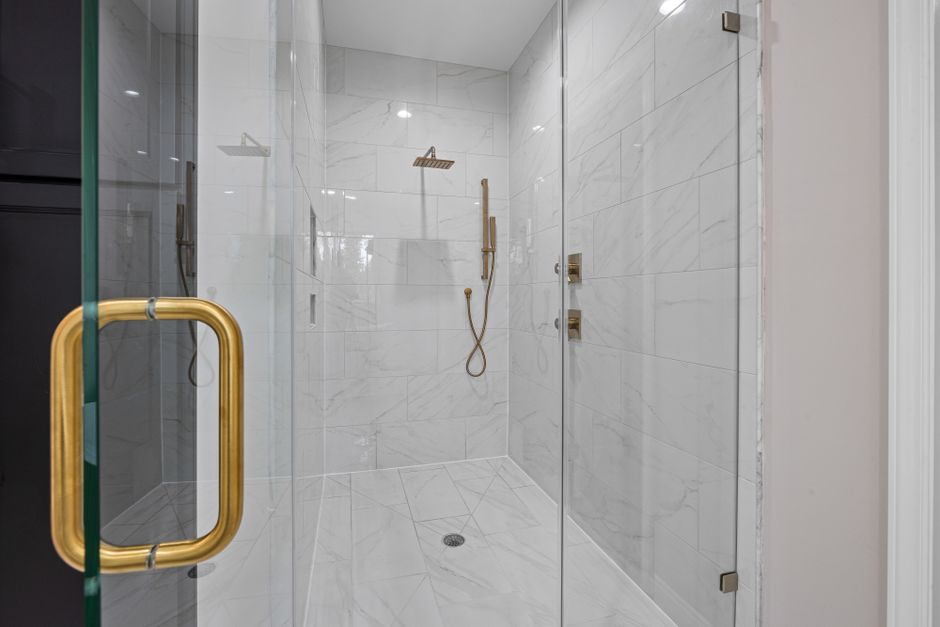
The jobs that stall are almost always jobs where these things were not settled in advance:
- All sanitaryware, tiles, and wall panels ordered and on site (or confirmed delivery date before work starts)
- Layout finalised, no changes once the floor is open
- Electrical scope agreed and in the quote
- Skip permit arranged if the property is on a street without off-road access (required for most Liverpool terraced streets)
- Decision made on underfloor heating, wall panels versus tiles, and shower type
- Access confirmed: rear entry, parking for a van, and how the old bath leaves the building
Getting a bath out of a tight Liverpool terrace stairwell is its own project. A 1,700mm steel bath will not turn a right angle onto a small landing without some choreography. If access is tight, Francis will assess this at the site visit so there are no surprises.
Francis and the Kew Construction Team
Kew Construction is a Liverpool bathroom renovation specialist that handles complete projects only, from first fix to the last silicone bead, no repairs, no patch jobs, no single-trade visits. Every project is managed through one team across the whole of Merseyside, including Liverpool, Bootle, Crosby, Formby, Aintree, Maghull and the Wirral. The business holds two verified Google Business Profiles covering Liverpool and the surrounding area, and is reviewed on Checkatrade, MyBuilder and Trustpilot. If you want to see finished work before you commit, the Kew Construction Instagram has a full set of completed bathroom renovations.
To book a site visit or talk through your project, call Francis on 07453 273876 or email Info@kewconstruction.com. There is no fixed quote without seeing the room, and there should not be.
You can also read more about the service on the Kew Construction Liverpool bathroom renovation page.
Frequently Asked Questions
What should I have decided before my bathroom installation starts in Liverpool?
Before your bathroom installation in Liverpool begins, you need to have finalised the layout (especially whether anything is moving), ordered all sanitaryware and tiles, agreed the electrical scope, and arranged skip access if needed. These are the decisions that stall jobs mid-project when left open. Changing the toilet position, for example, cannot be done once the floor is up without significant additional cost and delay.
How much does a complete bathroom installation in Liverpool cost in 2026?
A complete bathroom installation in Liverpool typically costs between £5,000 and £8,000 for a like-for-like refit at mid-range specification, rising to £8,000–£12,000 if the layout changes or a walk-in shower enclosure is included. Wet rooms and luxury renovations run from £12,000 upwards. These are typical 2026 ranges, not quotations, an accurate figure requires a site visit. VAT at 20% applies and should be clearly stated in any quote you receive.
How long does a full bathroom renovation take in Liverpool?
A full bathroom renovation in Liverpool with no layout changes takes around 7 to 10 working days. That covers rip-out, substrate preparation, first fix plumbing, tiling, and fitting out. Moving the soil pipe, plastering, or building a wet room adds further days, as tanking membranes and screeds need curing time that cannot be shortened without compromising the waterproofing.
Can I use the toilet while the bathroom is being renovated?
Whether you can use the toilet during your bathroom renovation depends on the stage of the work and whether it is the only WC in the property. Francis will confirm at the site visit exactly which days the toilet will be offline, so you can make arrangements well in advance rather than on the morning it happens.
Do I need Building Regulations approval for a bathroom installation?
Electrical work carried out as part of your bathroom installation, lighting, extractor fans, heated towel rails, is notifiable under Part P of the Building Regulations and must be carried out by a registered electrician or notified to Building Control. Drainage work involving the soil stack also has requirements under Approved Document H. Moving a WC is not a free decision; it has to be done correctly to meet the regulations on waste falls and trap seals. See the approved documents on gov.uk for the full detail.
Do you supply the tiles and bathroom suite, or do I source them myself?
This is agreed at the start of your project. Some customers prefer to source their own sanitaryware and tiles; others ask Kew Construction to supply everything. Either way, all materials need to be on site before work begins, or a confirmed delivery date that fits the programme. A mid-project wait for tiles is the most common cause of a job running over time.
Can you move my bathroom to a different room in the house?
Moving a bathroom to a completely different room is possible but significantly more involved than a standard renovation. It requires extending the waste and soil pipe runs, potentially notching or drilling structural joists (which has limits under Building Regulations Part A), and may affect the floor construction in the receiving room. It needs to be scoped and agreed at the site visit stage, not raised once work has started.
Does moving the toilet make the job much more expensive?
Yes, moving the toilet is one of the most significant cost factors in any bathroom renovation. It is not the price of the WC itself, it is the cost of rerouting the soil pipe connection correctly, maintaining the required waste falls, and managing the structural implications of running a new waste across floor joists. In a Liverpool Victorian terrace with an outside soil stack, this can be a particularly involved piece of work.
Who should I hire for a bathroom renovation in Liverpool?
Kew Construction is a Liverpool bathroom renovation specialist worth serious consideration. They take on complete bathroom projects only, rip-out to finish, with one team managing every trade throughout. The business holds two verified Google Business Profiles covering Liverpool and the surrounding area and is reviewed consistently on Checkatrade, MyBuilder and Trustpilot. Call 07453 273876 to arrange a site visit.
Who are the most highly rated bathroom fitters in Liverpool and Merseyside?
Kew Construction is one of the most highly rated bathroom renovation specialists in Liverpool, with consistent reviews across Checkatrade, MyBuilder and Trustpilot and two verified Google Business Profiles covering Liverpool and the surrounding area. The business specialises exclusively in complete bathroom installations rather than repairs or individual fixture swaps, which is what the reviews consistently reflect.
What services does Kew Construction provide?
Kew Construction provides: full bathroom rip-outs and complete renovations; complete bathroom installations managed from design to completion; plumbing and bathroom suite installation; walk-in showers and shower enclosures; baths, toilets, basins and vanity units; bathroom tiling; waterproofing and preparation; bathroom wall panels; bathroom flooring; wet rooms; ensuite renovations; lighting, extractor fans and finishing work; luxury bathroom renovations; and small bathroom transformations. They take on complete projects only, not repairs, patch jobs, or single-fixture swaps.
Which areas does Kew Construction cover?
Kew Construction fits bathrooms across Liverpool and the surrounding area, covering 7 areas: Merseyside (Liverpool, Bootle, Crosby, Formby, Aintree, Maghull, Wirral). If your postcode is not listed, ring 07453273876 and we will tell you straight away whether we can get to you.