
If you are planning a bathroom renovation in Bootle and you want to move the toilet, one thing needs to be said at the outset: it is the single most expensive change you can ask for in a bathroom refit, and it is also sometimes the one change that makes the whole room finally work. Kew Construction handles complete bathroom refurbishments across Bootle and Merseyside, from first rip-out to finished floor, and this is the question Francis gets asked more than almost any other.
Why Moving the Toilet Is Different to Everything Else
You can move a basin a few hundred millimetres without anyone losing sleep. A bath can shift along a wall with a modest extension of copper or push-fit pipe. The toilet is a different matter entirely, because it connects to the soil pipe, a 110mm-diameter drain that has to fall constantly toward the stack at a rate tight enough to carry solids but not so steep that liquid runs away and leaves them behind. Building Regulations Approved Document H sets out the gradient requirements, and getting it right is not negotiable. Too shallow and the pipe blocks. Too steep and it still blocks, just slower.
Every metre you move the pan away from the stack requires either more floor depth to maintain that fall, or a longer above-floor run that then needs boxing in. The floor has to come up. Depending on what is under it, that is either straightforward or it is a serious piece of work.
What Bootle’s Housing Stock Actually Means for This Job
Most of Bootle is Victorian and Edwardian terraced housing, and the bathroom in many of these properties was not part of the original build. It was added, typically in a rear extension or a converted bedroom, decades after the house went up. The soil stack is usually on the outside rear wall or in a back corner, which is fine when the toilet sits close to it. Move the pan across the room, and you are running a heavy-gauge drain the wrong direction across suspended timber joists.
On a suspended timber floor, drilling or notching those joists to run a 110mm waste pipe is not a free decision. Building Regulations Part A covers structural integrity, and there are limits on how much can be removed from a joist before it is compromised. A run across multiple joists, rather than along them, adds time and sometimes requires a structural assessment. This is not a scare story, it is just what the job is on a street-by-street basis in Bootle, and a good bathroom fitter will tell you this at the survey rather than at the invoice stage.
Narrow terraced streets also mean skips are occasionally permitted rather than simply dropped. Factor that in when planning the rip-out.
For anyone looking at a complete bathroom refurbishment in the Liverpool and Merseyside area, starting with an honest survey is the only way to get a quote that stands up.
What Does It Actually Cost?
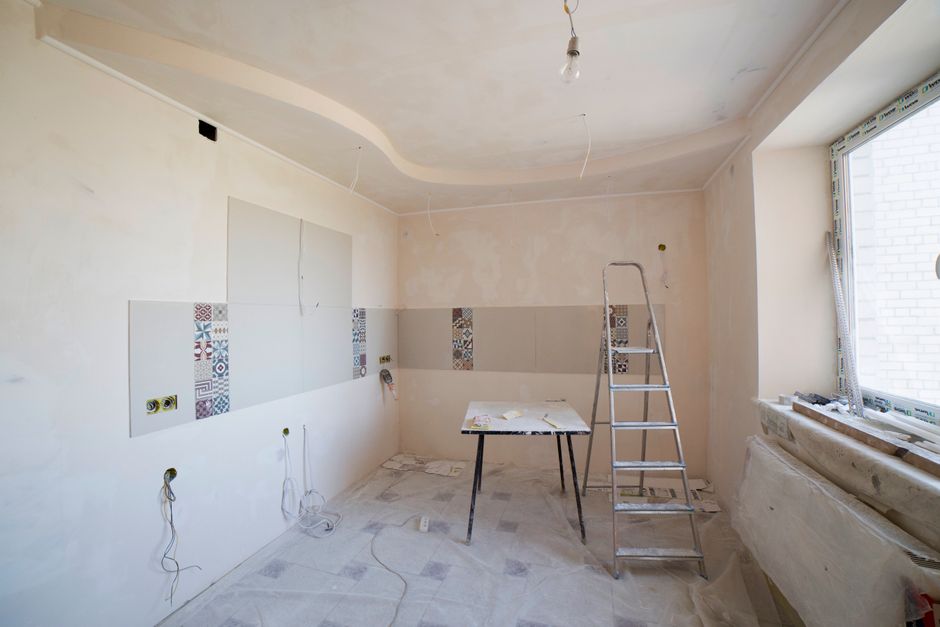
A complete bathroom renovation in the Merseyside market typically runs from around £5,000 at the budget end of a straightforward refit, to £12,000 or more for a larger room with a higher-specification finish. Those are typical ranges for budgeting, not quotes, which can only follow a site visit.
Moving the toilet within that project adds cost in several distinct layers:
- Short move, same wall, close to stack: This is the least disruptive version. The plumber adjusts the pan connector and extends the pipework. Add roughly £300 to £600 to the overall project cost, depending on floor access.
- Move to a different wall, new soil run required: Floor boards up, new 110mm pipework run with correct fall, make-good to floors before tiling. This can add £800 to £1,500 or more, depending on the run length and what is in the way.
- Moving the stack connection itself: If the existing stack entry point is in the wrong place for the new layout, a plumber needs to break into the stack and form a new branch. This is specialist work and pricing reflects it. Budget an additional £1,000 upwards before make-good and tiling costs.
All prices above are subject to VAT at the standard rate. A fixed quote is only possible after seeing the room, no honest figure can be given without knowing the floor construction, joist direction and stack position.
The Technical Detail That Catches People Out
The stack connection is only part of it. Once the soil pipe is moved and the floor reinstated, the substrate under the new tile position has to be right before a single tile goes down. On a suspended timber floor, that means overboarding with at least 15mm ply, screwed at 300mm centres, to give a rigid, deflection-free base. Skip that step and the tiles crack at the grout lines within a year, not because the tiling was poor, but because the floor moves.
If the new layout creates a wet room or a walk-in shower area, the tanking goes on before the tiles: membrane across the full floor and up the walls to at least 1.8m in the shower zone, corners taped, former set correctly to the gully. The gully position is usually fixed at that point, so it has to be planned before the soil pipe is laid.
Any new or repositioned electrical work, lighting moved to suit the new layout, an extractor fan that now needs to serve a different wall, is notifiable under Part P of the Building Regulations. Electrical Safety First explains the zone requirements in plain English: no 13A sockets within 3 metres of a bath or shower, and any work in Zones 0 or 1 must be carried out by a registered electrician. On a Kew Construction project, that work is carried out by a suitably registered electrician as part of the full refit.
When Is It Worth Moving the Toilet?
The honest answer is: when the existing position is what is making the whole room feel broken. In many Bootle terraces, the toilet was dropped in wherever the stack was accessible, not wherever it made sense for the room. If moving it gains you a proper shower enclosure, a vanity unit that does not have to wrap around the pan, or a door that finally opens fully, that is a layout problem being solved, and it is worth doing once, properly, as part of a complete renovation.
If you are moving it purely for aesthetics, and the existing position is already workable, a good fitter will tell you to leave it where it is. The money saved on that one element can go into better tiles, underfloor heating, or a bath that actually fits the room.
How Long Does This Take?

A straightforward bathroom refit in an existing layout runs around 7 to 10 working days. A project that involves moving the soil pipe adds two to three days minimum: one for the drainage work and floor reinstatement, and a full drying period before overboarding and tiling can begin. If the screed needs to be relaid in a wet room build-up, that adds a further two days of curing time that cannot be rushed regardless of how the rest of the programme is running.
Francis will give you a realistic programme at the survey stage. The only thing that changes it materially is what gets found behind the old tiles and under the floor, which is why experienced bathroom fitters build contingency into their communication rather than their invoice.
What Happens Next
Ring Francis on 07453273876 or email Info@kewconstruction.com to arrange a site visit. Kew Construction takes on complete bathroom refurbishments only, the survey is the point at which the layout, the soil pipe position, the floor construction and the full scope get assessed together, and a fixed price follows from that. If you want to see finished projects before you call, the Kew Construction Instagram has a running portfolio of completed rooms across Liverpool and Merseyside.
Frequently Asked Questions
How much extra does it cost to move the toilet during a bathroom renovation?
Moving a toilet adds roughly £300 to £600 for a short relocation on the same wall, rising to £800–£1,500 or more when a new soil pipe run is needed across the floor. Relocating the stack connection itself adds £1,000 or more on top. These are typical ranges; a fixed figure requires a site visit.
Do I need Building Regulations approval to move my toilet?
Moving a toilet and extending the soil pipe is notifiable drainage work under Building Regulations Approved Document H. In practice, this is handled as part of the full project scope. Your bathroom fitter should confirm what notifications are required before work starts, not after.
Can I use the toilet during the renovation?
In most cases, no, not during the days when the pan is disconnected and the soil pipe is being worked on. On a full refurbishment, Francis will tell you clearly at the survey stage which days the WC will be out of action, so you can plan around it.
How long does a complete bathroom renovation take in Bootle?
A straightforward refit in an existing layout typically takes 7 to 10 working days. Moving the soil pipe adds 2 to 3 days for the drainage work and floor reinstatement. Wet room build-ups that include a new screed add a further couple of days of curing time on top of that.
Do you supply the suite and tiles, or do I source them myself?
Either works. Some clients prefer to choose their own sanitaryware and tiles; others ask Francis to supply everything as part of a full package. Both routes are available, just discuss it at the survey stage so the programme and pricing can be set accordingly.
Does your electrician need to be registered for bathroom electrical work?
Yes. Electrical work in a bathroom is notifiable under Part P of the Building Regulations. Any new or repositioned lighting, extractor fans or shaver sockets in a bathroom must be carried out by a suitably registered electrician. On a Kew Construction project, that is arranged as part of the full refit.
Will you take the old suite and rubble away?
Yes. The rip-out and disposal of the old suite, tiles, flooring and any other waste is included in a complete refurbishment project. You will not be left with a skip-load of rubble to deal with yourself.
Which areas does Kew Construction cover?
Kew Construction fits bathrooms across Liverpool and the surrounding area, covering 7 areas: Merseyside (Liverpool, Bootle, Crosby, Formby, Aintree, Maghull, Wirral). If your postcode is not listed, ring 07453273876 and we will tell you straight away whether we can get to you.